Description
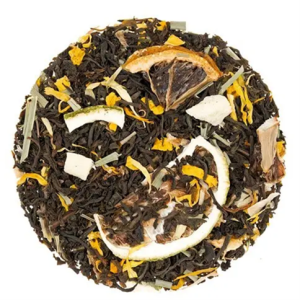
Organic Pain Relief has a soothing flavor with subtle spice and notes of lemon and ginger. This herbal blend has a strong aroma with notes of lemon that combines powerful anti-inflammatory herbs like turmeric, ginger, and devil’s claw for a naturally soothing infusion.
Ingredients: Organic Ginger Root, Organic Mullein, Organic Turmeric, Organic Wild Lettuce, Organic Devil’s Claw, Organic Lemongrass, Organic Black Pepper
Ginger: for a spicy layer of vitality. Gingerols in ginger can help relieve nausea caused by pregnancy, chemotherapy, or surgery.
Research suggests that consuming ginger in daily doses of 2–6 grams may help protect against heart disease by lowering blood pressure, helping prevent heart attacks, helping prevent blood clots, relieving heartburn, lowering cholesterol, improving blood circulation
A lot of research shows that consuming ginger has beneficial effects on weight and blood sugar management by increasing thermogenesis — the production of heat by your body — which helps burn fat, increasing the breakdown of fats for energy, inhibiting fat storage, inhibiting fat absorption, helping control appetite.
In addition, ginger may help improve blood sugar control in people with type 2 diabetes and obesity by reducing fasting insulin levels, hemoglobin A1C, and triglycerides.
People have used ginger to treat inflammation for centuries, and now science backs up this practice for certain uses.
Studies show that the compounds in ginger called gingerol and shogaol help reduce the production of pro-inflammatory markers. People have particularly studied ginger, along with other items like turmeric and black pepper, for their effect in relieving pain from osteoarthritis of the knee.
Studies have even shown that ginger derivatives may help prevent cancer, mostly due to its gingerol and shogaol content. Test-tube studies have shown that gingerol and shogaol may contribute to ginger’s cancer-fighting properties by causing cell death and preventing cancer cell multiplication and growth.
Other test-tube studies have shown that ginger may affect several different types of cancer cells, including pancreatic, colon, colorectal, ovarian, prostate, and lung cancers.
Scientists have studied ginger’s protective effects against oxidative stress and inflammation — two factors that play a decisive role in the development of brain degenerative diseases, such as Alzheimer’s disease.
Animal studies show that gingerol and shogaol offer protection against age-associated decline of brain functions due to their antioxidant properties.
Test-tube studies also suggest that ginger extract may increase cell survival against beta-amyloid — a protein closely related to Alzheimer’s disease that can induce toxicity in brain cells.
Mullein: known for its earthy, slightly sweet taste. The initial impression is often described as a delicate blend of hay and honey, with a hint of greenness reminiscent of freshly cut grass. Some find a subtle, almost smoky note, adding complexity to the overall flavor profile.
The mullein plant has been around for thousands of years. The plant is found in many parts of the world, including the United States, and has more than 200 species. The most popular type commercially used is common mullein (Verbascum thapsus). The leaves are harvested near the bottom of the plant and used either fresh or dried to make various products.
Some active compounds of mullein include:
- saponins, which have anti-inflammatory, pain-relieving, and antitumor properties
- flavonoids, which have antioxidant and anti-inflammatory properties
- phenylpropanoid glycosides, which have anti-inflammatory, antioxidant, and antiviral properties
- iridoids, which have anti-inflammatory properties
Traditionally, mullein has been used to treat a handful of lung and respiratory conditions, particularly:
- Hoarseness
- Tonsillitis
- Cough and cold
- Asthma
- Bronchitis
For respiratory conditions, mullein is typically consumed in liquid form as an infusion, tea or syrup. It is used alone or in combination with other herbs, like mint, rosemary, hawthorn flower, or pine leaves.
Plant compounds in mullein are known to have antitussive (cough-reducing) and expectorant (mucus-thinning) properties. Mullein also contains ursolic acid, a substance that some researchers believe could be used to prevent and treat COVID-19 infection.
One of the most common conditions that mullein is traditionally used to treat is osteoarthritis. The condition is characterized by destruction of cartilage and inflammation.
Mullein contains a variety of plant chemicals with potent anti-inflammatory properties. Some research suggests that one of these plant chemicals, an antioxidant called kaempferol, could help reverse cartilage destruction. It may also reduce the severity of pain and inflammation in rheumatoid arthritis.
In addition to easing arthritis-related inflammation, mullein has been used to treat:
- Gut inflammation
- Liver inflammation
- Swelling due to broken bones
- Inflammatory skin conditions like eczema and psoriasis
- Ear pain due to earache
Inflammation due to skin conditions or broken bones may be treated with a mullein leaf ointment, while gut, liver, or arthritic inflammation may be treated by consuming droplets of a mullein water, tea or oil infusion.
Naturopathic physicians and herbalists have been recommending mullein for respiratory and inflammatory conditions for centuries.
Based on anecdotal evidence and published studies, there are no reports of major side effects from mullein.
There’s no information on safety for use during pregnancy, while breastfeeding, or in infants and very young children. Talk with your doctor before considering mullein leaf.
Turmeric: earthy, warm, and slightly peppery, with a touch of bitterness and a hint of spice. Turmeric is a flowering plant in the ginger family. Its scientific name is Curcuma longa. People have used the herbal spice known as turmeric for thousands of years to make tea from the plant’s rhizome stems, or its underground root system.
This same type of turmeric is also used in cooking, for health purposes, in spiritual practices, and more.
It’s also commonly used in the ancient Indian health system Ayurveda. Thus, you might see turmeric tea called by one of its traditional Indian names, such as haldi or manjal.
Researchers believe the most potent of those components is curcumin. Studies in humans have shown that curcumin has anti-inflammatory, antidiabetic, and antioxidant properties.
One teaspoon (3 grams) of dried turmeric — an amount you might use to make a cup of turmeric tea — also contains:
- Manganese: 26% of the Daily Value (DV)
- Iron: 9% of the DV
- Copper: 4% of the DV
Bioactive compounds are nutrients that promote health in humans. These include common vitamins and minerals, as well as lesser known compounds such as polyphenols and volatile oils.
Curcuminoids such as curcumin are the largest group of bioactive compounds found in turmeric tea, although it contains hundreds of others, including many volatile essential oils and multiple types of antioxidants.
Turmeric and curcumin may help keep your heart functioning properly in more ways than one.
Studies suggest that turmeric and curcumin supplements may lower blood pressure and levels of fat in the blood — both of which can be risk factors for heart disease when they exceed normal levels.
For example, one study found that taking turmeric for 12 weeks or longer significantly reduced systolic blood pressure, the first number in a blood pressure reading. This number represents how much pressure is placed on the arteries each time your heart beats.
A separate study observed that turmeric and curcumin reduced some blood fat levels, including LDL (bad) cholesterol and total triglycerides.
Heart disease remains the world’s leading cause of death. Turmeric tea may help by:
- Improving endothelial function (the lining of your blood vessels)
- Reducing inflammation and oxidation
- Potentially lowering total cholesterol and LDL (bad) cholesterol levels
Research suggests that curcumin may be as effective as exercise in improving endothelial function in postmenopausal women.
Curcumin crosses the blood-brain barrier and has shown potential in improving brain health by:
- Increasing levels of brain-derived neurotrophic factor (BDNF), a growth hormone that functions in the brain
- Clearing amyloid plaques, a key feature of Alzheimer’s disease
- Reducing oxidative damage and inflammation in the brain
Regular consumption of turmeric tea may help maintain cognitive function as you age.
Scientists are also exploring how curcumin may be related to depression and mood disorders. One or even a few cups of turmeric tea won’t contain nearly the same amount of concentrated curcumin that participants consumed in these studies, but it’s possible turmeric tea might still have some effect on mood.
For many people around the world, a hot cup of tea is a warm, calming, and soothing ritual in its own right. For some, this alone might have mood-boosting effects.
Black pepper might sound like an odd pairing for tea, but when it comes to turmeric tea, it’s not as far-fetched as you might think.
Black pepper not only adds depth to turmeric’s spicy punch but also contains a nutrient called piperine that helps your body absorb significantly more curcumin from turmeric. Remember, your body doesn’t absorb curcumin very well, so this can help.
What’s more, curcumin is a fat-soluble nutrient, so pairing turmeric with fats like coconut oil or milk — such as in popular golden milk turmeric tea recipes — might also help you absorb more of the nutrient.
Chronic inflammation contributes to many common health conditions, including heart disease, cancer, and autoimmune disorders. Curcumin in turmeric tea works by blocking NF-kB.
This is a molecule that travels into cell nuclei and triggers genes related to inflammation. Studies suggest curcumin’s anti-inflammatory effects can be comparable to some anti-inflammatory drugs, but without the side effects.
Many arthritis patients report significant improvements in pain and function when consuming curcumin regularly. In rheumatoid arthritis patients, curcumin is more effective than anti-inflammatory drugs in some studies. For osteoarthritis, it may help reduce pain and improve physical function.
The liver is your body’s primary detoxification organ. Turmeric may enhance its function by:
- Increasing production of key detoxification enzymes
- Protecting against liver damage from toxins
- Supporting bile production and flow
Regular turmeric tea consumption may help maintain optimal liver function.
For those with diabetes or at risk of developing it, turmeric tea may:
- Improve insulin sensitivity
- Help stabilize blood glucose levels
- Reduce inflammation associated with diabetes
- Potentially helps prevent complications of diabetes
Some studies suggest curcumin could be a valuable addition to diabetes management protocols.
Turmeric tea may support healthy weight management by:
- Inhibiting the formation of fat tissue
- Reducing inflammation associated with obesity
- Improving metabolism
- Potentially regulating hunger hormones
While not a magic solution, it can be a helpful addition to a comprehensive weight management plan.
Wild Lettuce: What if a plant often dismissed as a weed could quietly hold centuries of herbal wisdom? Organic Wild Lettuce is a naturally bitter herbal tea known as “nature’s morphine”. It’s been used for centuries for its potential to reduce inflammation, ease pain, and support relaxation. With a distinct earthy and vegetal flavor, this caffeine-free tea is often used for stress relief and overall wellness.
Before using wild lettuce medicinally, speak with a healthcare professional to make sure it is safe for you to consume. It has strong medicinal properties which include analgesic (pain-relieving) and sedating effects.
Caffeine Content None
Flavor: Organic Wild Lettuce tea can be bitter with a slight vegetal aftertaste.
Wild lettuce is a plant that has been used for pain relief and to induce sleep. It’s used by people interested in alternatives to conventional medications. For centuries, people have used natural remedies, such as medicinal plants, to treat a variety of symptoms, including pain. One such remedy is wild lettuce.
Wild lettuce has bright green leaves, which sprout from a green stem that’s occasionally spotted purple. When scratched, the plant secretes a milky white substance known as lactucarium.
When dried,
this compound resembles opium, a pain-relieving agent extracted from unripe seedpods of the opium poppy. Opium was commonly used as a pain reliever and sedative from ancient times into the 19th century. Lactucarium may deliver similar effects as opium — but with fewer side effects. In fact, wild lettuce is often referred to as “opium lettuce” due to its purported pain-relieving qualities.
Historically, doctors used wild lettuce as a pain reliever and to treat conditions such as whooping cough, with research studies on its use dating back to 1814.
Today, you can find many wild lettuce products that contain extracts of the plant’s seeds, leaves, and milky sap. These teas, tinctures, powders, oils, and pills are marketed to treat a range of conditions, including:
- anxiety
- breathing issues
- poor sleep
- joint pain
Foragers, or people who collect and eat wild plants, sometimes consume raw wild lettuce. In addition, wild lettuce has psychoactive properties.
People who want a natural buzz sometimes use it recreationally in higher doses.
Wild lettuce extract, or lactucarium, has long been used to relieve pain.
Lactucarium contains lactucin and lactucopicrin. They are bitter substances that act on the central nervous system to produce pain-relieving and sedative effects. These compounds are considered sesquiterpene lactones, a group of beneficial substances most concentrated in plants belonging to the Asteraceae family, such as lettuce, calendula, and chicory. Sesquiterpene lactones make up a large part of the lactucarium secreted by wild lettuce.
Wild lettuce is promoted as a natural treatment for a variety of conditions aside from pain, such as:
- anxiety
- respiratory conditions
- menstrual cramps
- arthritis
- cancer
- insomnia
- poor circulation
- restlessness
- urinary infections
It’s also thought to have antibacterial properties when applied to the skin.
Ingesting wild lettuce, especially in high doses, may cause side effects similar to opioids, such as:
- hallucinations
- dizziness
- nausea
- vomiting
- anxiety
- decreased level of consciousness
- agitation
- dry mucus membranes
- dilated pupils
- headache
- blurred vision
- severe sweating
- flushing
- euphoria
- abdominal cramps
- urinary retention
Along with Wild lettuce it is also good to use a combination of holistic treatments, such as: CBD oil, also known as cannabidiol, a nonpsychoactive compound found in the cannabis plant that may have potential health benefits.
Studies suggest that CBD oil may help reduce inflammation, relieve chronic pain, decrease anxiety, and improve sleep quality.
Turmeric and omega-3 fish oil supplements can help reduce pain and inflammation with few side effects as well.
Other evidence-based, natural ways to help relieve pain include yoga, exercise, meditation, acupuncture, and heat therapy.
But Wild lettuce (Lactuca virosa), isn’t about intoxication — it’s about calm. It has been used in traditional wellness practices for centuries to encourage relaxation, comfort, and rest.
Its natural compounds, lactucin and lactucopicrin, are said to gently support a sense of ease and calm, without the addictive risks tied to synthetic painkillers or sedatives.
Devil’s claw: presents a distinctive earthy, slightly bitter flavor profile that speaks to its desert origins. The cut and sifted pieces release a woody, herbaceous aroma reminiscent of dried bark and earth after rain. When brewed as tea, the root creates a golden-amber liquid with a pleasantly bitter taste that can be balanced with honey or lemon.
Devil’s claw is a flowering plant of the sesame family. Its root packs several active plant compounds and is used as an herbal supplement.
In particular, devil’s claw contains iridoid glycosides, a class of compounds which has demonstrated anti-inflammatory effects.
For these reasons, devil’s claw supplements have been studied as a potential remedy for inflammatory-related conditions, such as arthritis and gout. In addition, it has been proposed to reduce pain and may support weight loss.
Inflammation is your body’s natural response to injury and infection. When you cut your finger, bang your knee or come down with the flu, your body responds by activating your immune system. While some inflammation is necessary to defend your body against harm, chronic inflammation can be detrimental to health. In fact, ongoing research has linked chronic inflammation to heart disease, diabetes and brain disorders.
Of course, there are also conditions directly characterized by inflammation, such as inflammatory bowel disease (IBD), arthritis and gout.
Devil’s claw has been proposed as a potential remedy for inflammatory conditions because it contains plant compounds called iridoid glycosides, particularly harpagoside. In studies, harpagoside has curbed inflammatory responses.
For example, a study showed that harpagoside significantly suppressed the action of cytokines, which are molecules in your body known to promote inflammation.
Though devil’s claw has not been studied extensively in humans, because it is not backed by big pharmaceutical companies, preliminary evidence suggests that it may be an alternative treatment for inflammatory conditions.
Osteoarthritis is the most common form of arthritis, affecting over 30 million adults in the US. It occurs when the protective covering on the ends of your joint bones — called cartilage — wears down. This causes the bones to rub together, resulting in swelling, stiffness and pain.
Again, more high-quality studies are needed, but current research suggests that devil’s claw may be effective at reducing pain associated with osteoarthritis.
For example, one clinical study involving 122 people with osteoarthritis of the knee and hip suggested that 2,610 mg of devil’s claw daily may be as effective at reducing osteoarthritis pain as diacerein, a medication commonly used to treat this condition.
Similarly, a 2-month study in 42 individuals with chronic osteoarthritis found that supplementing daily with devil’s claw in combination with turmeric and bromelain, which are thought to have anti-inflammatory effects as well, reduced pain by an average 46%.
Gout is another common form of arthritis, characterized by painful swelling and redness in the joints, usually in the toes, ankles and knees.
It’s caused by a buildup of uric acid in the blood, which is formed when purines — compounds found in certain foods — break down. Medications, such as nonsteroidal anti-inflammatory drugs (NSAIDs), are typically used to reduce pain and swelling caused by gout. Due to its purported anti-inflammatory effects and potential to reduce pain, devil’s claw has been proposed as an alternative treatment for those with gout .
Also, some researchers suggest it may reduce uric acid, though the scientific evidence is limited. In one study, high doses of devil’s claw decreased uric acid levels in mice.
Lower back pain is a burden for many. In fact, it has been estimated that 80% of adults experience it at some point or another. Along with anti-inflammatory effects, devil’s claw shows potential as a pain reliever, particularly for lower back pain. Researchers attribute this to harpagoside, an active plant compound in devil’s claw.
In one study, harpagoside extract appeared to be similarly effective as a nonsteroidal anti-inflammatory drug (NSAID) called Vioxx. After 6 weeks, participants’ lower back pain was reduced by an average 23% with harpagoside and 26% with the NSAID.
Also, two clinical studies found that 50–100 grams of harpagoside per day were more effective at reducing lower back pain compared to no treatment, but more studies are needed to confirm these results.
Besides reducing pain and inflammation, devil’s claw may suppress appetite by interacting with the hunger hormone ghrelin. Ghrelin is secreted by your stomach. One of its primary functions is to signal your brain that it’s time to eat by increasing appetite.
In a study in mice, animals that received devil’s claw root powder ate significantly less food in the following four hours than those treated with a placebo.
Although these results are fascinating, these appetite-reducing effects have not yet been studied in humans. Therefore, substantial evidence to support using devil’s claw for weight loss is unavailable at this time.
Type 1 diabetes is a chronic autoimmune disease characterized by insulin deficiency and resultant hyperglycemia. Devil’s claw has been traditionally known to be effective in managing diabetes. The exact mechanism of action isn’t understood yet, but it’s thought that harpagoside might control inflammatory signs related to diabetes.
Devil’s claw appears to be safe when taken in doses up to 2,610 mg daily. One tea ball of devil’s claw contains approximately 1000 mgs.
Common medications may also negatively interact with devil’s claw, including prescription nonsteroidal anti-inflammatory drugs (NSAIDs), blood thinners and stomach acid reducers
NSAIDs: Devil’s claw may slow the absorption of popular NSAIDs, such as Motrin, Celebrex, Feldene and Voltaren.
Blood thinners: Devil’s claw may enhance the effects of Coumadin (also known as warfarin), which may lead to increased bleeding and bruising.
Stomach acid reducers: Devil’s claw may decrease the effects of stomach acid reducers, such as Pepcid, Prilosec and Prevacid.
This is not an all-inclusive list of medication interactions. To be on the safe side, always discuss your use of supplements with your doctor.
Lemongrass: subtle and sweet, with a hint of tropical fruitiness. Lemongrass, also called citronella, is a tall, stalky plant with a fresh, lemony aroma and citrus flavor. It’s a common ingredient in Thai cooking.
According to a 2021 review of studies, lemongrass contains several antioxidants, which can help scavenge free radicals in your body that may cause disease.
Antioxidants of note are:
- chlorogenic acid
- isoorientin
- swertiajaponin
These antioxidants may help prevent the dysfunction of cells inside your coronary arteries.
Inflammation is thought to play a role in many conditions, including heart disease and stroke.
Research from 2024 suggests that lemongrass has anti-inflammatory benefits. Its compounds may help stop the release of certain inflammation-causing markers in your body.
A 2022 study also notes that the analgesic and anti-inflammatory effects of lemongrass are widely known and used in folk medicine.
The citral in lemongrass is also thought to have potent anticancer abilities against some cancer cell lines.
Several components of lemongrass may help fight cancer. This occurs either by directly causing cell death or by boosting the immune system so that the body is better able to fight off cancer on its own. Lemongrass tea is sometimes used as an adjuvant therapy during chemotherapy and radiation. It should only be used in this situation, under the guidance of an oncologist.
A cup of lemongrass tea is a go-to alternative remedy for upset stomach, stomach cramping, and other digestive problems. A 2012 study on rodents showed that lemongrass may also be effective against gastric ulcers.
The study found that the essential oil of lemongrass leaves can help protect the stomach lining against damage from aspirin and alcohol. Regular aspirin use is a common cause of gastric ulcers.
In the world of natural health, lemongrass is a known diuretic. A diuretic makes you urinate more often, ridding your body of excess fluid and sodium. Diuretics are often prescribed if you have:
- heart failure
- liver failure
- edema
In a 2011 study, 72 male volunteers were given either lemongrass tea or green tea to drink. Those who drank the lemongrass tea experienced a moderate drop in systolic blood pressure. They also had a significantly lower heart rate.
High cholesterol can increase your risk of heart attack or stroke.
A 2022 in vitro study found that lemongrass had the ability to prevent cholesterol absorption in the gut. However, researchers cautioned that additional studies are needed to confirm these results.
In addition, a 2018 animal study found that lemongrass water extract significantly decreased total cholesterol in rats.
Lemongrass tea is used as a detox tea to kick-start your metabolism and help you lose weight. If you drink enough of it, you’re likely to drop some pounds.
Lemongrass tea is used as a natural remedy for menstrual cramps, bloating, and hot flashes.
A 2019 study found that lemongrass has galactagogue properties, which promote the formation of milk in breasts. Researchers also found that lemongrass is effective in stimulating menstrual flow, and it helps soothe menstrual cramps and discomfort.
Black Pepper: spicy, earthy flavor with a subtle aroma that awakens the senses. When you think of black pepper, the first thing that comes to mind is probably a kitchen spice used to enhance flavor. But did you know that this humble spice can be turned into a powerful, soothing tea with impressive health benefits? Black pepper tea has been used for centuries in Ayurvedic and traditional medicine to promote digestion, improve metabolism, and boost overall wellness. This spicy, aromatic tea is not just another beverage—it’s a natural remedy packed with antioxidants, vitamins, and minerals that can transform your health from the inside out.
Traditionally, black pepper tea has been consumed to relieve cough, cold, indigestion, and inflammation. In Ayurveda, it is believed to balance Kapha and Vata doshas, making it beneficial for respiratory health and digestion. Today, people around the world drink it not only for its medicinal properties but also for its energizing and cleansing effects. You can enjoy black pepper tea on its own or combine it with other ingredients like turmeric, ginger, honey, or lemon for enhanced flavor and benefits.
Piperine stimulates the secretion of digestive enzymes, improving the breakdown of food and preventing indigestion, bloating, and constipation.
Black pepper tea increases the bioavailability of nutrients like curcumin (from turmeric), selenium, and vitamin B12, helping your body absorb them more effectively.
The piperine in black pepper boosts metabolism and thermogenesis, encouraging your body to burn more calories and reduce fat accumulation. Apart from increasing metabolism, black pepper tea also suppresses appetite, reducing cravings and promoting portion control.
Its natural expectorant properties help clear mucus and phlegm, making it an excellent remedy for colds, sinus congestion, and sore throat.
Black pepper is rich in antioxidants and antibacterial compounds that strengthen your immune system and help your body fight infections.
Piperine has strong anti-inflammatory effects, which can help reduce joint pain, muscle soreness, and symptoms of arthritis.
Regular consumption of black pepper tea may help stabilize blood sugar and improve insulin sensitivity, which is beneficial for people with diabetes.
It acts as a natural detoxifier, helping to flush out toxins from the body and support liver health.
Black pepper tea helps open airways, reduce chest congestion, and improve breathing for those suffering from asthma or bronchitis.
Studies suggest that piperine can improve memory, cognitive function, and even protect against neurodegenerative diseases like Alzheimer’s.
It stimulates blood flow and ensures that oxygen and nutrients reach all parts of the body efficiently.



Reviews
There are no reviews yet.