Description
This tea is a premium detox blend combining dandelion root, milk thistle, and chicory root to support liver function and digestion. This caffeine-free wellness tea is an excellent addition to any wellness routine seeking a natural way to a natural detox and promote liver health.
Organic Liver Cleanse has a moderate earthy flavor with a delightful aroma
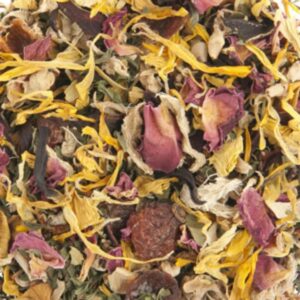
Ingredients: Organic Dandelion, Organic Chicory Root, Organic Licorice Root, Organic Boldo, Organic Milk Thistle
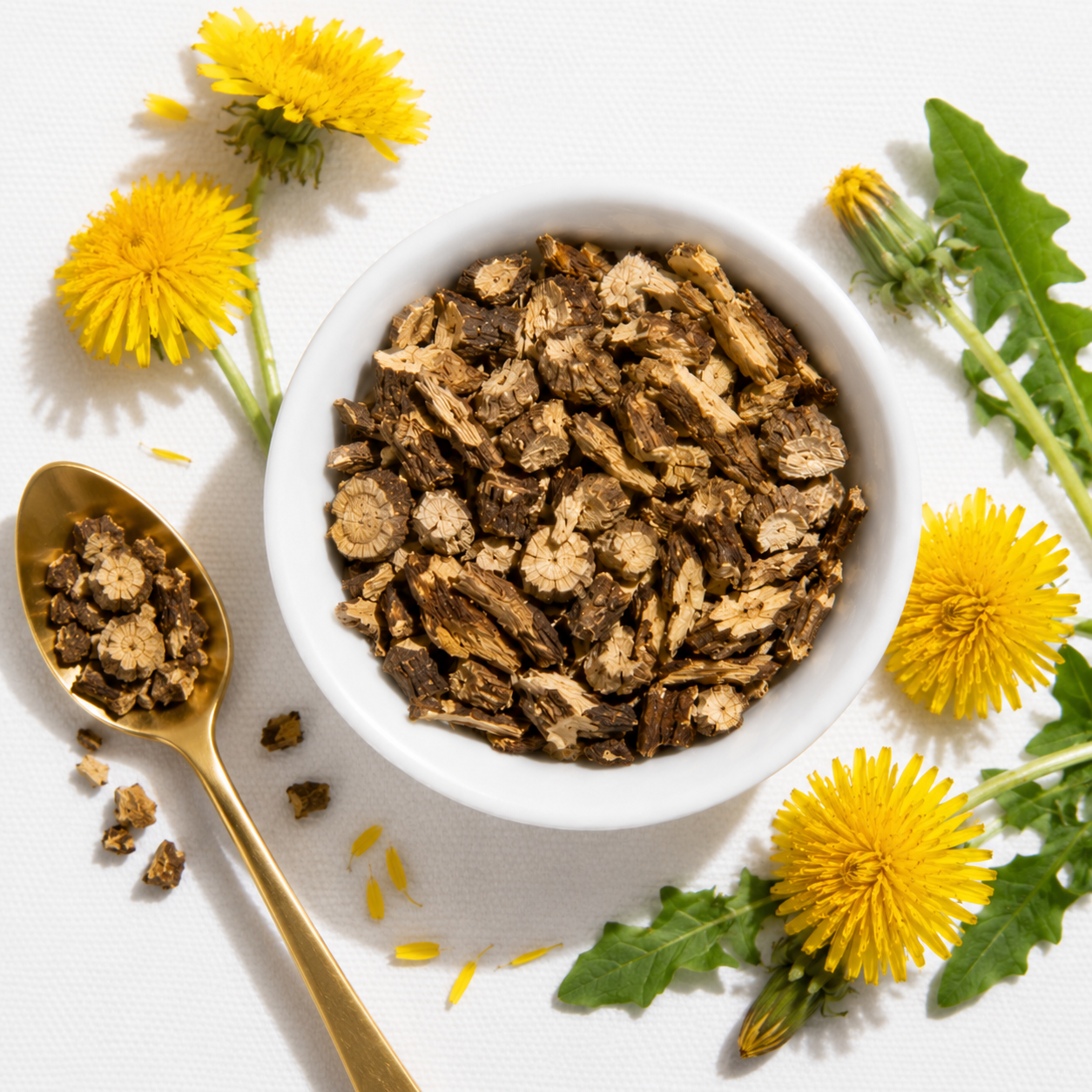
Dandelion root: dandelion root is known for its earthly, bitter flavor, which can be quite intense for some palates. The bitterness is often compared to that of coffee or certain types of dark chocolate, but with a more herbal undertone. This bitterness is due to the presence of sesquiterpene lactones, compounds that are also responsible for many of the root’s medicinal properties. The earthy flavor is reminiscent of mushrooms, adding depth to the overall taste experience.
The roots of young dandelion plants are roasted to a dark brown color. Then, after steeping in hot water and straining, it can be enjoyed as a coffee substitute.
It may be the arch nemesis of a yard-savvy homeowner, but dandelions aren’t without their redeeming qualities. As a matter of fact, these “weeds” are commonly used in folk medicine, and have been for quite some time.
When people talk about dandelion tea, they are largely talking about one of two different beverages: an infusion made of the plant’s leaves, or one made of roasted dandelion roots.
Both are considered safe (so long as you haven’t sprayed your yard with herbicides or pesticides) and are used for a variety of purposes.
If you’re feeling bloated, dandelion tea could provide relief because it acts as a diuretic and increases urine output. One study showed an increased urine output after two 1-cup servings of dandelion tea made from the leaves of the plant.
Dandelion root has long been held as a “liver tonic” in folk medicine. Preliminary studies suggest this is due, in part, to its ability to increase the flow of bile.
Naturopaths believe it means that dandelion root tea could help detoxify the liver, help with skin and eye problems, and relieve symptoms of liver disease. A 2017 study suggests that polysaccharides in dandelion may indeed be beneficial to liver function.
A recent Korean study suggests that dandelion could have similar effects on the body as the weight loss drug Orlistat, which works by inhibiting pancreatic lipase, an enzyme released during digestion to break down fat. Testing the impact of dandelion extract in mice revealed similar results, prompting researchers to recommend further study on the possible anti-obesity effects of dandelion.
Dandelion root tea can have many positive effects on your digestive system, although much of the evidence is anecdotal. It has historically been used to improve appetite, soothe minor digestive ailments, and possibly relieve constipation.
Recently, dandelion root has been studied for its cancer-fighting potential, and so far the results appear promising.
A 2011 Canadian study showed that dandelion root extract induces cell death in melanoma cells without impacting non-cancerous cells. Another showed that it does the same to pancreatic cancer cells. While the anti-cancer effects of dandelion tea haven’t been tested, the potential is positive.
Paired with another herb, uva ursi, dandelion roots and leaves may help prevent urinary tract infections. It’s believed this combination works because of anti-bacterial compounds in uva ursi, and the increased urination associated with dandelion.
Dandelions are considered safe for most people. However, some people may have an allergic reaction from touching or ingesting dandelion. Dandelion has also been found to interact with certain medications, including diuretics, lithium, and Cipro. If you are taking any prescription medications, consult your doctor before drinking dandelion tea.
Chicory root: a unique and flavorful ingredient that has been used in cooking for centuries. Chicory root can be enjoyed as a roasted coffee-like beverage, as an addition to salads or soups, or even as a part of a savory meal.
When you dry, roast, and grind chicory leaves, you’ll end up with a powder that looks like ground coffee. The best part? It is naturally caffeine-free! As a coffee substitute, adding chicory to dishes and baked goods will create a coffee flavor.
You can make a drink with it alone or combine it with regular coffee grounds. This coffee recipe is popular in New Orleans, so much so that people call it “New Orleans Coffee.” Raw chicory root has a bitter taste. But, once you roast these roots, the bitterness mellows, enabling the other flavors to shine.
Chicory root benefits are wide-ranging and include potential antioxidant, anticancer, and anti-inflammatory health effects. Chicory root contains phytochemicals, including inulin, a prebiotic that supports healthy gut bacteria.
The inulin in chicory root is what gives this food its primary benefit. Inulin may help:
- Regulate bowel movements
- Improve blood sugar control
- Promote weight loss
Research has found chicory:
- Antidiabetic
- Immunomodulatory (changed immune response)
- Antitumor
- Antioxidant
- Antiparasitic (destroys worms)
- Prebiotic
- Decreased the risk of gastrointestinal diseases
- Improved liver function
- Improved blood pressure
- Reduced hematologic (blood disorders) risk factors in females with type 2 diabetes
Traditional medicinal uses of chicory root include:
- Treating malaria
- Treating diarrhea
- Strengthening the prostate and reproductive organs
- Treating lung cancer
- Curing hangover
- Purifying the biliary tract (a system that transports bile)
- Treating jaundice
- Treating liver enlargement
- Treating gout and rheumatism (conditions that affect joints, muscles, and connective tissue)
- Improving digestion
- Using it as a laxative and diuretic
- Treating hypotension (low blood pressure)
- Reducing fever
- Treating kidney disease
- Treating diabetes
Chicory root fiber can replace sugar in some processed foods, resulting in lower calories. Although chicory inulin can help with sugar reduction it’s not a total zero-sugar product like, for example, stevia.
Additionally, chicory inulin ranks very low on the glycemic index and does not cause a significant rise in blood sugar. When used in place of sugar or fat in processed foods like ice cream, chicory inulin lowers the glycemic index rating of those products as well.
Chicory has been traditionally used to detoxify the liver and support bile production. May help prevent fatty liver disease by reducing fat accumulation in liver cells.
As with most foods and drinks, you may notice unpleasant side effects if you overeat chicory root. Some people experience gas or bloating when they consume too much. If you don’t eat large quantities, you may be able to enjoy eating or drinking it daily.
In addition, be careful about chicory root if you are pregnant or lactating, as there is limited research on its effects in these populations.
Those with birch pollen allergy should note that chicory has been associated with oral allergy syndrome (OAS) in people with birch pollen allergy. OAS occurs through cross-reactivity between some foods and pollens, resulting in mouth itching, burning, tingling, and swelling after consuming these foods.
Chicory root has grown in popularity due to its health benefits, primarily inulin content, which acts as a prebiotic. Chicory root is best known as a coffee substitute, but it can also be used as a tea or added to other foods, like oatmeal and smoothies.
Traditionally, it has been used medicinally to treat many conditions, including gastrointestinal issues and fevers.
Licorice Root: When you first taste licorice root tea, you’ll notice a distinct sweetness similar to black licorice candy. However, licorice root tea is less overpowering than candy and has a more subtle flavor. Some people describe it as slightly earthy or woody, with a hint of anise or fennel. If you’re not a fan of black licorice candy, don’t let that deter you from trying licorice root tea. The taste is much milder and may pleasantly surprise you.
Licorice root comes from the root of the licorice plant, Glycyrrhiza glabra. Medicinal use of licorice dates back to ancient Egypt, where the root was made into a sweet drink for pharaohs. Now, it’s used to help treat various ailments and flavor candies, drinks, and medicines.
Licorice root contains nearly 300 compounds, but its primary active compound is glycyrrhizin. This is responsible for the root’s sweet taste, as well as its antioxidant, anti-inflammatory, and antimicrobial properties.
Licorice root extract may be used to help relieve symptoms of gastroesophageal reflux disease (GERD), such as acid reflux, heartburn, and indigestion.
A 2017 study in 58 adults with GERD found that taking licorice root daily was more effective at reducing symptoms over a 2-year period than commonly used antacids.
Licorice root extract and its glycyrrhizin may help treat peptic ulcers. These painful sores develop in your stomach, lower esophagus, or small intestine as a result of H. pyloribacteria.
A 2023 animal study found that licorice flavonoid could help relieve peptic ulcers by increasing mucus production, reducing inflammation, and improving gut microbiome.
A 2016 study in 120 adults found that consuming licorice extract in addition to a standard treatment significantly reduced the presence of H. pylori after 2 weeks.
Licorice root extract is being studied for its protective effects against certain types of cancer, according to the National Cancer Institute. Studies have found that licorice root helped slow or prevent cell growth in skin, colorectal, and breast cancer.
However, research suggests that licorice root extract may be as effective as the standard treatment for oral mucositis, a side effect of chemotherapy.
Research suggests that licorice root may help protect against cavities and treat the following oral health conditions:
- oral thrush
- canker sores
- tooth decay
- periodontitis
A 2019 review found that glycyrrhizin extract from licorice root may help relieve asthma due to its anti-inflammatory properties. The authors also suggest it may be the asthma treatment with the fewest potential side effects.
Another 2019 study found licorice root tea and extract may protect against strep throat.
Licorice root extract is tied to several other potential benefits, such as:
- aiding diabetes
- reducing menopause symptoms
- boosting weight loss
- treating hepatitis C
Large doses of licorice root products may lead to glycyrrhizin accumulation in your body. Research suggests that in rare cases, this may cause:
- high blood pressure
- low potassium levels
- arrhythmia
- kidney failure
- congestive heart failure
- pulmonary edema
The National Center for Complementary and Integrative Care (NCCIC) notes that chronic use of licorice root may pose a risk for people with hypertension, heart disease, or kidney disease, as well as people who are pregnant or nursing.
Licorice root has been shown to interact with several medications, including:
- blood pressure medications
- blood thinners
- cholesterol-lowering medications
- diuretics
- estrogen-based contraceptives
- nonsteroidal anti-inflammatory drugs (NSAIDs)
If you’re taking any of these medications, it’s best to avoid licorice root products unless you speak with your health care provider and they tell you otherwise.
Boldo leaf: (Peumus boldus) is a remarkable herb native to the Andes Mountains of South America. Traditionally used in Chilean and Peruvian medicine, boldo has gained global recognition for its ability to support liver health, aid digestion, and promote detoxification. Its unique flavor and impressive therapeutic properties make it a standout herb for maintaining a healthy digestive system.
Boldo leaf has a strong, slightly bitter flavor with earthy and herbal undertones. Its bold taste is invigorating and pairs well with complementary herbs like mint, ginger, or lemon balm in teas designed for digestion and detoxification.
It’s used as traditional medicine, especially to treat digestive issues, detox the liver, and boost weight loss.
Diluting boldo tea with another type of herbal tea to make it safer to consume daily is the typical practice.
Historically, boldo tea has been used to treat digestive issues and assist in treating liver issues. Yet, scientific evidence supporting the use of the tea for these or any other therapeutic purposes is extremely limited because it originates from South American countries.
One test-tube study on 13 herbal teas commonly used in South America found that boldo tea had one of the highest antioxidant activities. This was based on its ability to fight free radicals, which are harmful compounds that can cause cellular damage. This suggests that drinking boldo tea may confer some antioxidant benefits, but more research, particularly in humans, is needed.
The boldo plant and its tea also contain a volatile compound called ascaridole. In test-tube and animal studies, ascaridole shows promising potential in the treatment of leishmaniasis, a disease caused by tropical parasites. Still, more research is needed.
If you choose to drink boldo, Morelliville’s boldo blend, is a premade tea, which contains a safe ratio of the teas. Even drinking a cup a day should be okay for most individuals. However, Detoxification can be done when needed or weekly as well. Meanwhile, if taking a tea with a supplement like boldo, do not exceed the recommended dosage of one cup per day.
There are some potential downsides to drinking boldo tea. It can interfere with warfarin, a blood-thinning medication, as well as other blood thinners and heart medications. If using any of these, talk to a healthcare provider before drinking boldo tea.
Milk Thistle: Milk thistle tea, derived from the seeds and leaves of the Silybum marianum plant, possesses a subtle and often described as earthy, slightly bitter, and vaguely reminiscent of green tea. While not intensely flavorful, its distinct taste makes it a unique and potentially acquired taste for some.
Milk thistle is an herbal remedy derived from the milk thistle plant, also known as Silybum marianum. This prickly plant has distinctive purple flowers and white veins, which traditional stories say were caused by a drop of the Virgin Mary’s milk falling onto its leaves.
The active ingredients in milk thistle are a group of plant compounds collectively known as silymarin. Its herbal remedy is known as milk thistle extract. Milk thistle extract has a high amount of silymarin that has been concentrated from the milk thistle plant. The silymarin extracted from milk thistle is known to have antioxidant, antiviral and anti-inflammatory properties.
In fact, it has traditionally been used to treat liver and gallbladder disorders, promote breast milk production, prevent and treat cancer and even protect the liver from snake bites, alcohol and other environmental poisons.
Milk thistle is often promoted for its liver-protecting effects.
It’s regularly used as a complementary therapy by people who have liver damage due to conditions like alcoholic liver disease, non-alcoholic fatty liver disease, hepatitis and even liver cancer.
It’s also used to protect the liver against toxins like amatoxin, which is produced by the death cap mushroom and is deadly if ingested.
A 2021 study showed improvements in liver function in people with non-alcoholic fatty liver disease who have taken a milk thistle supplement, suggesting it could help reduce liver inflammation and liver damage.
Although more research is needed on how it works, milk thistle is thought to reduce damage to the liver caused by free radicals, which are produced when your liver metabolizes toxic substances.
One 2014 study also found that it may slightly extend the life expectancy of people with cirrhosis of the liver due to alcoholic liver disease.
Milk thistle has been used as a traditional remedy for neurological conditions like Alzheimer’s and Parkinson’s disease for over two thousand years. Its anti-inflammatory and antioxidant properties mean that it is possibly neuroprotective and could help prevent the decline in brain function you experience as you age.
In older animal studies, silymarin has been shown to prevent oxidative damage to brain cells, which could help prevent mental decline. These studies have also seen that milk thistle may be able to reduce the number of amyloid plaques in the brains of animals with Alzheimer’s disease. Amyloid plaques are sticky clusters of amyloid proteins that can build up between nerve cells as you age. They are seen in very high numbers in the brains of people with Alzheimer’s disease, meaning that milk thistle could potentially be used to help treat this difficult condition.
Osteoporosis is a disease caused by progressive bone loss. It usually develops slowly over a number of years and causes weak and fragile bones that break easily, even after minor falls. Milk thistle has been shown in experimental animal studies to stimulate bone mineralization and potentially be protective against bone loss.
As a result, two 2013 studies suggest that milk thistle may be a useful therapy for preventing or delaying bone loss in postmenopausal women.
One reported effect of milk thistle is that it can boost breast milk production in lactating mothers. It’s thought to work by making more of the milk-producing hormone prolactin.
The data is very limited, but one older randomized controlled study found that mothers taking 420 mg of silymarin for 63 days produced 64% more milk than those taking a placebo.
Acne is a chronic inflammatory skin condition. While not dangerous, it can cause scars. People may also find it painful and worry about its effects on their appearance. It’s been suggested that oxidative stress in the body may play a role in the development of acne.
Due to its antioxidant and anti-inflammatory effects, milk thistle may be a useful supplement for people with acne. Interestingly, one 2012 study found that people with acne who took 210 milligrams of silymarin per day for 8 weeks experienced a 53% decrease in acne lesions.
Milk thistle may be a useful complementary therapy to help manage type 2 diabetes. It’s been discovered that one of the compounds in milk thistle may work similarly to some diabetic medications by helping improve insulin sensitivity and decrease blood sugar.
In fact, the same 2021 systematic review and analysis found that people routinely taking silymarin experienced a significant reduction in their fasting blood sugar levels and HbA1c, a measure of blood sugar control.
Additionally, the antioxidant and anti-inflammatory properties of milk thistle may also be useful for reducing the risk of developing diabetic complications like kidney disease.
Milk thistle is generally considered safe when taken by mouth. When reported, side effects for milk thistle are generally gut disturbances like diarrhea, nausea or bloating.
Some people are advised to be cautious when taking milk thistle. These include:
- Pregnant women: There is no data on its safety in pregnant women, so they are usually advised to avoid this supplement.
- Those allergic to the plant: Milk thistle may cause an allergic reaction in people who are allergic to the Asteraceae/Compositae family of plants.
- People with diabetes: The blood sugar-lowering effects of milk thistle may put people with diabetes at risk of low blood sugar.
- Those with certain conditions: Milk thistle can have estrogenic effects, which may worsen hormone-sensitive conditions, including some types of breast cancer.
This company was created to provide holistic and health information about natural medicines, cures and remedies that people have used throughout history. This information is made available with the knowledge that the owners, and makers do not offer any medical advice. In the case that you are ill you should always consult with your physician or another medical specialist.
This book and the information herein does not claim to contain and indeed does not contain all the information available on the subject of natural remedies.
While the owners. authors and makers have gone to great lengths to provide the most complete, useful and accurate collection of healing plants and remedies to their knowledge, there are many others that exist and no one holistic cure or remedy works for every individual, just as one medication does not treat every individual the same.
Please understand that even though we do our best to provide full and correct information, errors may still exist, typographical and/or content errors. Therefore, this information should be used only as a guide that compliments your current medical regimen. You should always consult with your medical practitioner when using holistic remedies, these herbs, teas and fungi can have powerful effects and just because they are holistic does not mean that they are benign or without risk. They are powerful within themselves.
The owners, authors and makers of this information and these products shall incur no liability or be held responsible to any person or entity regarding any loss of life or injury, alleged or otherwise, that happened directly or indirectly as a result of using the information contained or obtained from Morelliville Farms, their employees or website. It is your own responsibility and if you want to use a tea, powder, potion, tincture, decoction or anything else from this store you should consult with your physician first.
Some of the remedies and cures found within do not comply with FDA guidelines. The FDA does not regulate herbal remedies. The information in this book has not been reviewed, tested or approved by any official testing body or government agency.
The owners, authors and editor that assembled this information did so with the best intentions for health and healing but make no guarantees of any kind, expressed or implied regarding the final results obtained by applying the information found in this book.
Making, using and consuming any of the products described will be done at your own risk. The owners, authors and makers hold no responsibility for the misuse or misidentification of a plant, herb or fungi using the contents on this website, or any and all consequences to your health or that of others that may result. By purchasing any product you hereby agree to be bound by this disclaimer.
Reviews
There are no reviews yet.