Description
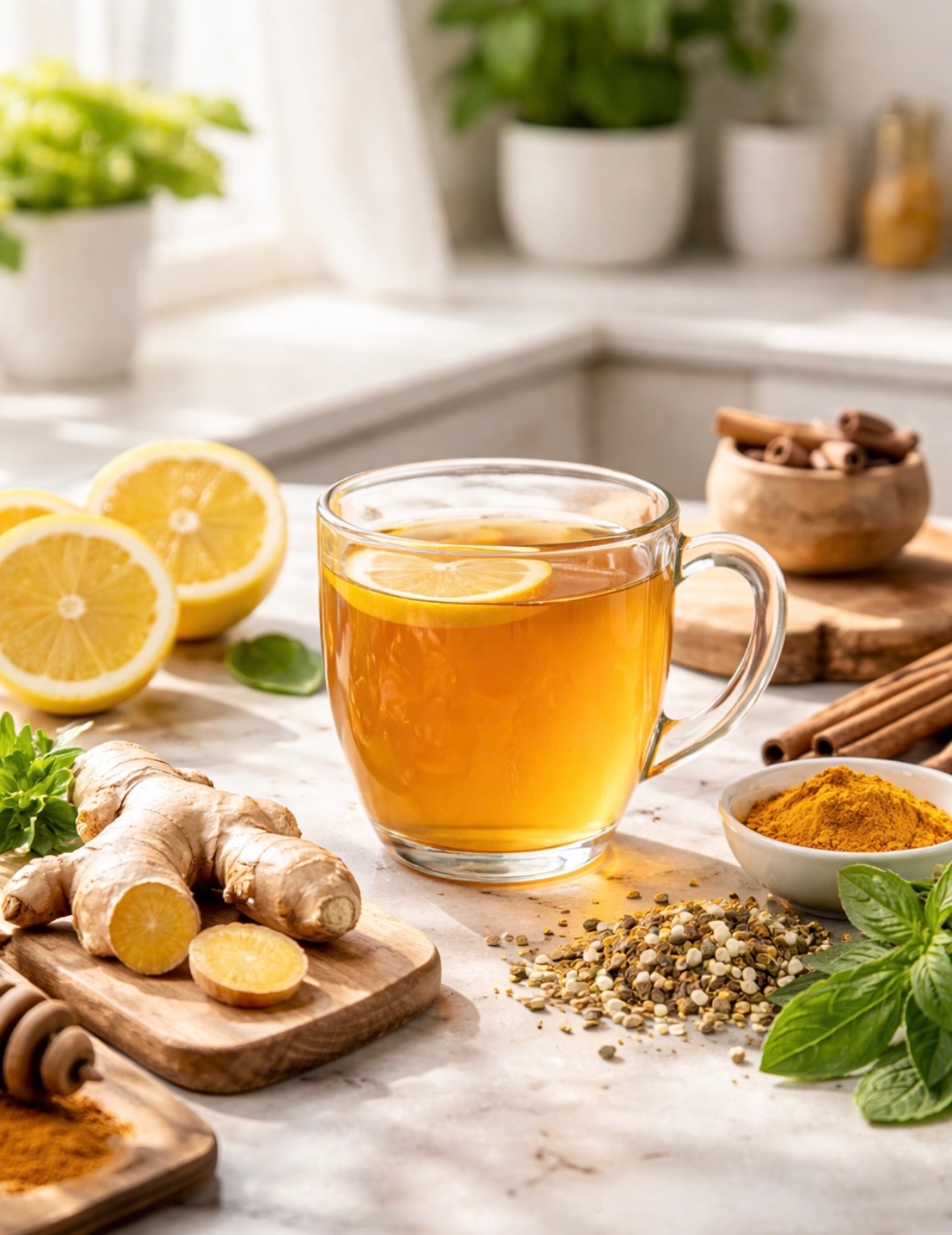
This blend offers a delightful combination of tart, minty, sweet, and floral flavors, with slightly herbal notes that make it irresistibly yummy!
Ingredients: Organic Cinnamon Chips, Organic Ginger Root, Organic Hibiscus, Organic Holy Basil, Organic Peppermint, Organic Sage
This invigorating blend is designed to help you crush those pesky sugar cravings. With a balanced combination of naturally sweet ingredients, this tea helps curb your desire for sugary treats while keeping your energy levels stable. Whether you’re aiming to reduce sugar intake or simply maintain a balanced diet, Sugar Crush Tea is your ally in staying on track.
Cinnamon Chips: adds warmth, aroma, and depth. Cinnamon tea contains lots of antioxidants, which are beneficial compounds that help keep you healthy.
Antioxidants fight off oxidation caused by free radicals, which are molecules that damage your cells and contribute to diseases like diabetes, cancer, and heart disease.
Cinnamon is particularly rich in polyphenol antioxidants. A study comparing the antioxidant activity of 26 spices reported that cinnamon is only outranked by cloves and oregano.
Studies suggest that compounds in cinnamon may reduce markers of inflammation. This may be immensely beneficial, given that inflammation is thought to be at the root of many chronic diseases, including heart disease.
Studies also report that cinnamon may reduce blood pressure, as well as triglyceride and LDL (bad) cholesterol levels. What’s more, cinnamon may increase levels of HDL (good) cholesterol, which helps improve your heart health by removing excess cholesterol from your blood vessels.
A review of 10 studies found that consuming as little as 120 mg of cinnamon — less than a 1/10 teaspoon — each day may be sufficient to help you reap these benefits.
Morelliville only uses Cassia cinnamon, particularly because contains high amounts of natural coumarins, a group of compounds that helps prevent the narrowing of blood vessels and offers protection against blood clots.
Cinnamon may provide powerful antidiabetic effects by lowering blood sugar levels.
This spice appears to act in a manner similar to that of insulin, the hormone responsible for shuttling sugar out of your bloodstream and into your tissues. What’s more, compounds found in cinnamon may further contribute to lower blood sugar levels by lowering insulin resistance, thereby increasing insulin’s effectiveness.
Cinnamon may also help slow the breakdown of carbs in your gut, preventing your blood sugar levels from spiking after meals.
Cinnamon tea is often touted to help with weight loss, and several studies have linked cinnamon intake to fat loss or reductions in waist circumference. This is especially true for Cassia cinnamon, which contains up to 63 times more coumarin than Ceylon cinnamon.
One well-controlled study provided women with 3 grams of cinnamon or a placebo each day for the first 3 days of their menstrual cycle. The women in the cinnamon group experienced significantly less menstrual pain than those given the placebo. There’s also evidence that cinnamon may reduce menstrual bleeding, vomiting frequency, and nausea severity during women’s periods.
Cinnamon tea may help make some menstrual symptoms, such as premenstrual syndrome (PMS) and dysmenorrhea, more bearable.
Ginger: for a spicy layer of vitality. Gingerols in ginger can help relieve nausea caused by pregnancy, chemotherapy, or surgery.
Research suggests that consuming ginger in daily doses of 2–6 grams may help protect against heart disease by lowering blood pressure, helping prevent heart attacks, helping prevent blood clots, relieving heartburn, lowering cholesterol, improving blood circulation
A lot of research shows that consuming ginger has beneficial effects on weight and blood sugar management by increasing thermogenesis — the production of heat by your body — which helps burn fat, increasing the breakdown of fats for energy, inhibiting fat storage, inhibiting fat absorption, helping control appetite.
In addition, ginger may help improve blood sugar control in people with type 2 diabetes and obesity by reducing fasting insulin levels, hemoglobin A1C, and triglycerides.
People have used ginger to treat inflammation for centuries, and now science backs up this practice for certain uses.
Studies show that the compounds in ginger called gingerol and shogaol help reduce the production of pro-inflammatory markers. People have particularly studied ginger, along with other items like turmeric and black pepper, for their effect in relieving pain from osteoarthritis of the knee.
Studies have even shown that ginger derivatives may help prevent cancer, mostly due to its gingerol and shogaol content. Test-tube studies have shown that gingerol and shogaol may contribute to ginger’s cancer-fighting properties by causing cell death and preventing cancer cell multiplication and growth.
Other test-tube studies have shown that ginger may affect several different types of cancer cells, including pancreatic, colon, colorectal, ovarian, prostate, and lung cancers.
Scientists have studied ginger’s protective effects against oxidative stress and inflammation — two factors that play a decisive role in the development of brain degenerative diseases, such as Alzheimer’s disease.
Animal studies show that gingerol and shogaol offer protection against age-associated decline of brain functions due to their antioxidant properties.
Test-tube studies also suggest that ginger extract may increase cell survival against beta-amyloid — a protein closely related to Alzheimer’s disease that can induce toxicity in brain cells.
Hibiscus: tart flavor similar to that of cranberries that can be enjoyed either hot or cold. Hibiscus tea is an herbal tea that’s made by steeping parts of the hibiscus plant in boiling water.
Research has uncovered a range of health benefits linked to drinking hibiscus tea, showing that it may lower blood pressure, reduce the growth of bacteria, and even aid weight loss.
Antioxidants are molecules that help protect against compounds called free radicals, which can damage your cells. Hibiscus is rich in powerful antioxidants and may therefore help prevent damage and disease caused by the buildup of free radicals.
One study in people with Marfan syndrome, a disorder that affects connective tissue, found that an infusion of hibiscus reduced oxidative stress and increased antioxidant levels in the blood.
One of the most impressive and well-known benefits of hibiscus tea is that it may help lower blood pressure. Over time, high blood pressure can place extra strain on the heart and cause it to weaken. High blood pressure is also associated with an increased risk of heart disease.
Several studies have found that hibiscus tea may lower both systolic and diastolic blood pressure. In one study, people with high blood pressure consumed either hibiscus tea or a placebo. After 1 month, those who drank hibiscus tea had a greater decrease in systolic and diastolic blood pressure than those who took the placebo.
Similarly, a 2015 review of five studies found that hibiscus tea decreased systolic and diastolic blood pressure.
While hibiscus tea may be a safe and natural way to help lower blood pressure, it is not recommended for those who are taking medications to treat high blood pressure with hibiscus without consulting your medical provider, as it may interact with these drugs and your blood pressure may drop too low. You may need additional monitoring.
In addition to lowering blood pressure, some studies have found that hibiscus tea may help improve blood fat levels, which can be another risk factor for heart disease.
In a small 2009 study, 60 people with diabetes consumed either hibiscus tea or black tea. After 1 month, those who drank hibiscus tea had increased levels of HDL (good) cholesterol and decreased levels of total cholesterol, LDL (bad) cholesterol, and triglycerides.
Another older study in people with metabolic syndrome found that taking 100 milligrams of hibiscus extract daily was associated with decreased total cholesterol and increased HDL cholesterol. Most studies showing a benefit of hibiscus tea on blood fat levels have been limited to people with specific health conditions, such as metabolic syndrome and diabetes.
Your liver has several functions — such as producing proteins, secreting bile, and breaking down fat — that are essential to your overall health. Interestingly, studies have shown that hibiscus may promote liver health and help keep your liver working efficiently.
A small 2014 study in people who were overweight found that taking hibiscus extract for 12 weeks improved liver steatosis. This condition is characterized by the accumulation of fat in the liver, which can lead to liver failure.
A study demonstrated the potential liver-protecting properties of hibiscus extract, showing that treatment with hibiscus extract decreased markers of liver damage.
In 2022, another animal study reported that hibiscus extract helped improve fatty liver disease in rats fed a high fat diet
Several studies suggest that hibiscus tea may be associated with weight loss and could help protect against obesity.
In one small 2014 study, participants who were overweight consumed either hibiscus extract or a placebo. After 12 weeks, those who had taken hibiscus extract had reductions in body weight, body fat, body mass index, and waist-to-hip ratio.
An animal study had similar findings, suggesting that hibiscus extract could help reduce body weight and appetite by preventing the accumulation of fat cells
Hibiscus is high in polyphenols, which are compounds that have been shown to possess powerful anticancer properties. Test-tube studies have found impressive results regarding the potential effects of hibiscus extract on cancer cells.
In one test-tube study, hibiscus extract impaired cell growth and reduced the invasiveness of mouth and plasma cell cancers. Another test-tube study reported that hibiscus leaf extract prevented human prostate cancer cells from spreading.
Hibiscus extract and its components have also been shown to inhibit the growth of other types of cancer cells in test-tube studies, including breast, stomach, and skin cancer
Bacteria are single-celled microorganisms that can cause a variety of infections, such as bronchitis, pneumonia, and urinary tract infections.
Some test-tube studies have found that, in addition to having antioxidant and anticancer properties, hibiscus could help protect against bacterial infections.
In fact, one test-tube study found that hibiscus extract inhibited the activity of E. coli, a strain of bacteria that can cause symptoms such as cramping, gas, and diarrhea.
Another test-tube study showed that the extract fought eight strains of bacteria and was as effective as some medications used to treat bacterial infections
Holy Basil: peppery spice, minty freshness, and subtle clove-like sweetness, underscored by a slightly bitter undertone. This green leafy plant is also known as Ocimum sanctum L. and tulsi. Some people recommend different parts of the plant for treating different conditions.
All parts of the holy basil plant act as an adaptogen. An adaptogen is a natural substance that helps your body adapt to stress and promotes mental balance.
The concept of an adaptogen is a holistic approach. However, holy basil has pharmacological properties to help your mind cope with many types of stress.
The source of your stress can be:
chemical
physical
infectious
emotional
In the case of physical stress, holy basil may increase endurance in animals. According to a 2017 research review, animals who had holy basil leaf extracts and went through environment-induced stress scenarios showed:
enhanced metabolism
improved swimming time
less tissue damage
lower stress levels in loud environments
Human and animal studies saw reduced:
stress
sexual problems
sleep problems
forgetfulness
exhaustion
According to a 2022 study, holy basil extract helped reduce stress and improved quality of sleep.
If you have prediabetes or type 2 diabetes, all parts of the holy basil plant may help reduce your blood sugar. According to a 2017 research review, some human studies have shown that holy basil can help prevent symptoms of diabetes.
Since holy basil targets metabolic stress, it may help with cholesterol levels.
A 2018 study found that holy basil was able to decrease total, low-density lipoprotein (LDL), and very low-density lipoprotein (VLDL) cholesterol in older adults with metabolic disease.
According to a 2017 research review, holy basil may help alleviate inflammation.
Peppermint: for their relaxing qualities, comfort the digestive system and may ease pain. It also prevents smooth muscles from contracting, which could relieve spasms in your gut people with IBS, peppermint oil capsules reduced IBS symptoms by 40% after 4 weeks
Peppermint has antibacterial, antiviral, and anti-inflammatory properties. Because of this, peppermint tea may alleviate clogged sinuses due to infections, the common cold, and allergies.
Research has demonstrated that natural compounds in peppermint may have beneficial effects on energy and focus.
Some studies have reported that for females with painful periods, peppermint was found to be as effective as a non-steroidal anti-inflammatory drug in reducing the intensity and duration of pain.
Taking peppermint resulted in reduced appetite compared to not taking peppermint in several studies.
Peppermint contains rosmarinic acid, a plant compound found in rosemary and plants in the mint family. Rosmarinic acid is linked to reduced symptoms of allergic reactions, such as runny nose, itchy eyes, and asthma
Sage: Sage tea is an aromatic infusion made from the leaves of common sage (Salvia officinalis), an herb in the same family as mint. Commonly used as a spice, sage also has a long history of use in alternative and traditional medicine. Notably, its tea is packed with potential health benefits.
Sage tea contains a variety of powerful plant compounds. In particular, its antioxidants work to neutralize harmful compounds called free radicals. When these accumulate in your body, they can lead to chronic diseases like type 2 diabetes and certain cancers.
Sage tea is particularly high in rosmarinic acid. Studies have shown that this antioxidant provides numerous benefits, such as decreased inflammation and blood sugar levels. While inflammation is a natural bodily response, chronic inflammation can increase your risk of illness.
Sage likewise provides a fair amount of vitamin K, which is essential for bone health, circulation, and proper blood clotting. What’s more, this tea boasts several other health-promoting compounds, including carnosol and camphor.
In one study, sage extract significantly increased the levels of anti-inflammatory compounds circulating in the blood while decreasing the levels of inflammatory compounds. Sage tea’s anti-inflammatory and antioxidant effects may be responsible for many of its purported benefits.
Sage is a common ingredient in cosmetics that are applied topically as a natural skin care remedy. It’s possible that drinking its tea provides some of the same benefits. In a test-tube study on animal skin cells, camphor — one of sage’s key compounds — was found to promote healthy skin-cell growth, slow signs of aging, and decrease wrinkle formation.
Sage is one of the most popular herbs in dentistry, as it targets pain, inflammation, and bad breath, as well as exerts antibacterial and wound-healing properties. In fact, gargling sage tea is often recommended as a remedy for mouth wounds and sore throats. These oral benefits are often attributed to the powerful antioxidant rosmarinic acid. Furthermore, sage is added to some mouthwashes because of its antibacterial and anti-inflammatory activity.
Sage, which is a frequent ingredient in alternative blood sugar medications, may help improve blood sugar levels and prevent or treat type 2 diabetes.
A 2-month study in 105 adults with type 2 diabetes found supplementing with 500 mg of sage extract 3 times daily improved fasting blood sugar, post-meal blood sugar, and hemoglobin A1c — a measure of average blood sugar levels over the previous 3 months.
Meanwhile, a mouse study determined that replacing water with sage tea reduced fasting blood sugar levels. Furthermore, a test-tube study suggested that sage behaves similarly to insulin — a hormone that helps manage blood sugar levels — by moving sugar in your blood into your cells for storage, thus lowering levels of this marker.
There is some evidence that sage tea may help fight cancer cells. It contains several anticancer compounds, including carnosol, camphor, and rosmarinic acid. In particular, animal and test-tube studies reveal that carnosol can kill several types of cancer cells without affecting healthy cells.
In a study in over 500 people, sage and chamomile teas were linked to a decreased risk of thyroid cancer. Meanwhile, in a test-tube study, sage tea helped prevent genetic changes that cause colon cancer cell formation.
Sage is widely used in alternative medicine to boost mood, improve memory, and help prevent brain-related disorders like Alzheimer’s. Scientific research backs many of these uses. Alzheimer’s progresses due to amyloid plaques that form in the brain. Several test-tube and animal studies indicate that sage and rosmarinic acid may help prevent the formation of these plaques.
In addition, multiple human studies note that sage extracts improve memory, brain function, mood, and focus.
Sage may also provide some unique benefits for women. In the Middle East, pregnant women commonly use sage to treat digestive symptoms like nausea, a common problem early in pregnancy.
Historically, sage has also been utilized as a natural way to reduce breastmilk production in women who are weaning or have an overabundant supply.
Some research indicates that sage may help improve cholesterol and triglyceride levels, potentially decreasing your risk of heart disease.
In a small, 4-week study in 6 women, drinking 10 ounces (300 ml) of sage tea twice daily resulted in 16% lower total cholesterol, 20% lower LDL (bad) cholesterol, and 38% higher HDL (good) cholesterol.
A 2-month study in 105 people with type 2 diabetes on cholesterol-lowering drugs found that those who took 500 mg of sage extract 3 times daily had healthier levels of triglycerides and all cholesterol markers, compared with those in the control group.

Reviews
There are no reviews yet.