Chai me Chaga – The Ultimate Cortisol reset
$10.00
Description
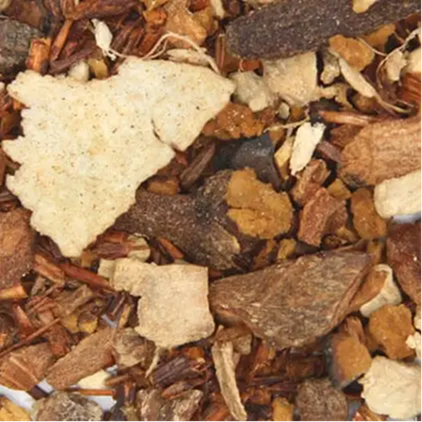
Ingredients: Rooibos Tea, Ginger, Cinnamon, Chaga, Coconut, Cardamom
Delight your senses & nourish your body with Chaga Chai! Our warming blend of chaga mushrooms, rooibos tea, and spices like ginger, cinnamon, cardamom, and a touch of coconut makes for a soothing cup that packs powerful antioxidants & health benefits. Enjoy a comforting & delicious brew straight up or as a latte – with no caffeine to worry about. Get ready to savor & nourish with our unique Chaga Chai!
This tea contains no caffeine | Steep at 212° for 7 minutes.
Rooibos: for its vitamin-rich goodness. Rooibos also has lower tannin levels than regular black or green tea. Tannins, natural compounds present in green and black tea, interfere with the absorption of certain nutrients, such as iron. If you tend to be iron deficient, then Rooibos tea is probably your best option.
Rooibos is associated with health benefits due to its high levels of health-promoting antioxidants, which include aspalathin and quercetin.
A 2021 medical review found that rooibos tea may have beneficial effects on inflammation by preventing the growth of angiotensin converting enzymes (ACEs).
ACE indirectly increases blood pressure by causing your blood vessels to contract, which can lead to heart disease.
A 2020 test-tube study on advanced prostate cancer found that green rooibos tea may reduce the migration and invasion of cancer cells.
Several studies found that rooibos contain various minerals, especially flavonoids such as aspalathin, which may help to lower blood sugar levels.
There have been several clinical trials done to determine the effects of Rooibos (Aspalathus linearis) on glucocorticoid biosynthesis and inactivation (Cortisol Levels). In vitro studies in adrenal H295R cells showed that Rooibos and rutin, one of the more stable flavonoid compounds present in Rooibos, significantly reduced the levels of cortisol and CORT in cells stimulated with forskolin to mimic a stress response.
Conclusion: In vivo studies demonstrate that Rooibos significantly decreased glucocorticoid levels and steroid metabolite ratios linked to metabolic disorders-cortisol: cortisone in humans.
Ginger: for a spicy layer of vitality. Gingerols in ginger can help relieve nausea caused by pregnancy, chemotherapy, or surgery.
Research suggests that consuming ginger in daily doses of 2–6 grams may help protect against heart disease by lowering blood pressure, helping prevent heart attacks, helping prevent blood clots, relieving heartburn, lowering cholesterol, improving blood circulation
A lot of research shows that consuming ginger has beneficial effects on weight and blood sugar management by increasing thermogenesis — the production of heat by your body — which helps burn fat, increasing the breakdown of fats for energy, inhibiting fat storage, inhibiting fat absorption, helping control appetite.
In addition, ginger may help improve blood sugar control in people with type 2 diabetes and obesity by reducing fasting insulin levels, hemoglobin A1C, and triglycerides.
People have used ginger to treat inflammation for centuries, and now science backs up this practice for certain uses.
Studies show that the compounds in ginger called gingerol and shogaol help reduce the production of pro-inflammatory markers. People have particularly studied ginger, along with other items like turmeric and black pepper, for their effect in relieving pain from osteoarthritis of the knee.
Studies have even shown that ginger derivatives may help prevent cancer, mostly due to its gingerol and shogaol content. Test-tube studies have shown that gingerol and shogaol may contribute to ginger’s cancer-fighting properties by causing cell death and preventing cancer cell multiplication and growth.
Other test-tube studies have shown that ginger may affect several different types of cancer cells, including pancreatic, colon, colorectal, ovarian, prostate, and lung cancers.
Scientists have studied ginger’s protective effects against oxidative stress and inflammation — two factors that play a decisive role in the development of brain degenerative diseases, such as Alzheimer’s disease.
Animal studies show that gingerol and shogaol offer protection against age-associated decline of brain functions due to their antioxidant properties.
Test-tube studies also suggest that ginger extract may increase cell survival against beta-amyloid — a protein closely related to Alzheimer’s disease that can induce toxicity in brain cells.
Cinnamon: adds warmth, aroma, and depth. Cinnamon tea contains lots of antioxidants, which are beneficial compounds that help keep you healthy.
Antioxidants fight off oxidation caused by free radicals, which are molecules that damage your cells and contribute to diseases like diabetes, cancer, and heart disease.
Cinnamon is particularly rich in polyphenol antioxidants. A study comparing the antioxidant activity of 26 spices reported that cinnamon is only outranked by cloves and oregano.
Studies suggest that compounds in cinnamon may reduce markers of inflammation. This may be immensely beneficial, given that inflammation is thought to be at the root of many chronic diseases, including heart disease.
Studies also report that cinnamon may reduce blood pressure, as well as triglyceride and LDL (bad) cholesterol levels. What’s more, cinnamon may increase levels of HDL (good) cholesterol, which helps improve your heart health by removing excess cholesterol from your blood vessels.
A review of 10 studies found that consuming as little as 120 mg of cinnamon — less than a 1/10 teaspoon — each day may be sufficient to help you reap these benefits.
Morelliville only uses Cassia cinnamon, particularly because contains high amounts of natural coumarins, a group of compounds that helps prevent the narrowing of blood vessels and offers protection against blood clots.
Cinnamon may provide powerful antidiabetic effects by lowering blood sugar levels.
This spice appears to act in a manner similar to that of insulin, the hormone responsible for shuttling sugar out of your bloodstream and into your tissues. What’s more, compounds found in cinnamon may further contribute to lower blood sugar levels by lowering insulin resistance, thereby increasing insulin’s effectiveness.
Cinnamon may also help slow the breakdown of carbs in your gut, preventing your blood sugar levels from spiking after meals.
Cinnamon tea is often touted to help with weight loss, and several studies have linked cinnamon intake to fat loss or reductions in waist circumference. This is especially true for Cassia cinnamon, which contains up to 63 times more coumarin than Ceylon cinnamon.
One well-controlled study provided women with 3 grams of cinnamon or a placebo each day for the first 3 days of their menstrual cycle. The women in the cinnamon group experienced significantly less menstrual pain than those given the placebo. There’s also evidence that cinnamon may reduce menstrual bleeding, vomiting frequency, and nausea severity during women’s periods.
Cinnamon tea may help make some menstrual symptoms, such as premenstrual syndrome (PMS) and dysmenorrhea, more bearable.
Chaga: Chaga mushrooms have been used for centuries in Siberia and other parts of Asia as a medicine to boost immunity and improve overall health. It has also been used to treat diabetes, certain cancers and heart disease.
Studies suggest that chaga extract can positively impact immunity by reducing long-term inflammation and fighting harmful bacteria and viruses.
By promoting the formation of beneficial cytokines — specialized proteins that regulate the immune system — chaga stimulates white blood cells, which are essential for fighting off harmful bacteria or viruses
Chaga can prevent the production of harmful cytokines, which trigger inflammation and are associated with disease
Several animal and test-tube studies show that chaga can prevent and slow cancer growth. In a study in mice with cancer, chaga supplements resulted in a 60% reduction in tumor size. In a test-tube study, chaga extract prevented the growth of cancer in human liver cells. Similar results were observed with cancer cells of the lung, breast, prostate and colon.
Several studies link chaga to lower blood sugar levels. Therefore, it may help manage diabetes. Chaga supplements led to a 31% decrease in blood sugar levels over three weeks.
Chaga extract may also benefit cholesterol levels, reducing your risk of heart disease. In an eight-week study in subjects with high cholesterol, chaga extract reduced “bad” LDL cholesterol, total cholesterol and triglycerides while increasing antioxidant levels.
Similar studies gave the same results and observed that — in addition to reducing “bad” LDL cholesterol — chaga increases “good” HDL cholesterol. Researchers believe that the antioxidants present in chaga are responsible for it’s effects on cholesterol.
Chaga could pose risks for people on insulin or those with diabetes due to its impact on blood sugar. Blood sugar should be monitored, and you should always work with a health care provider when using herbal remedies for health.
Chaga also contains a protein that can prevent blood clotting. Therefore, if you are on blood-thinning medications, have a bleeding disorder or are preparing for surgery, consult with your doctor before taking chaga.
Coconut: a sweet, nutty, and slightly creamy flavor. Coconuts are especially high in manganese, which is essential for bone health and the metabolism of carbohydrates, proteins, and cholesterol.
They’re also rich in copper and iron, which help form red blood cells, as well as selenium, an important antioxidant that protects your cells.
Most of the fat in coconuts is in the form of medium-chain triglycerides (MCTs). These are metabolized differently from other fats in your body. Your body absorbs MCTs directly from the small intestine and uses them for energy.
The main phenolic compounds identified in coconut meat include: gallic acid, caffeic acid, salicylic acid, p-coumaric acid. These antioxidants may help protect cells from free radicals, which are unstable molecules that can cause oxidative damage and increase the risk of chronic disease.
Cardamom: enhances flavor with an herbal touch. Cardamom may be helpful for people with high blood pressure.
In one study, researchers gave three grams of cardamom a day to 20 adults who were newly diagnosed with high blood pressure. After 12 weeks, blood pressure levels had significantly decreased to the normal range.
The promising results of this study may be related to the high levels of antioxidants in cardamom. In fact, the participants’ antioxidant status had increased by 90% by the end of the study. Antioxidants have been linked to lower blood pressure.
Researchers also suspect that the spice may lower blood pressure due to its diuretic effect, meaning it can promote urination to remove water that builds up in your body, for example around your heart.
Studies have shown that cardamom can increase the activity of certain enzymes that help fight cancer. The spice may also enhance the ability of natural killer cells to attack tumors.
In one study, researchers exposed two groups of mice to a compound that causes skin cancer and fed one group 500 mg of ground cardamom per kg (227 mg per pound) of weight per day. After 12 weeks, only 29% of the group who ate the cardamom developed cancer, compared to over 90% of the control group.
Research on human cancer cells and cardamom indicate similar results. One study showed that a certain compound in the spice stopped oral cancer cells from multiplying.
Antioxidants, found in abundance in cardamom, protect cells from damage and stop inflammation from occurring. One study found that cardamom in doses of 50–100 mg per kg (23–46 mg per pound) of body weight was effective in inhibiting at least four different inflammatory compounds.
Another study showed that ingesting cardamom decreased liver inflammation induced by eating a diet high in carbs and fat.
Cardamom has been used for thousands of years to help with digestion. It’s often mixed with other medicinal spices to relieve discomfort, nausea and vomiting.
The most researched property of cardamom, as it pertains to relieving stomach issues, is its possible ability to heal ulcers.
In one study, participants were given extracts of cardamom, turmeric and sembung leaf in hot water before being exposed to high doses of aspirin which often induce stomach ulcers. The participants ingesting cardamom developed fewer ulcers compared to participants that only received aspirin.
In fact, at doses of 12.5 mg per kg (5.7 mg per pound) of body weight, cardamom extract was more effective than a common anti-ulcer medication at reducing ulcer occurrence.
Test-tube research also suggests that cardamom may protect against Helicobacter pylori, a bacteria linked to the development of most stomach ulcer issues
Compounds in cardamom may help increase airflow to your lungs and improve breathing. Cardamom may improve breathing and oxygen by relaxing your airway. This may be particularly helpful for treating asthma.
A study in rats and rabbits found that injections of cardamom extract could relax the throat air passage.
Cardamom extract may decrease elevated liver enzymes, triglyceride and cholesterol levels. They may also prevent liver enlargement and liver weight, which reduces the risk of fatty liver disease. A study in 80 overweight and obese prediabetic women found a link between cardamom and reduced waist circumference.




Reviews
There are no reviews yet.