Description
Organic Lung Health has a sweet and soothing ginger flavor with a refreshing aroma.
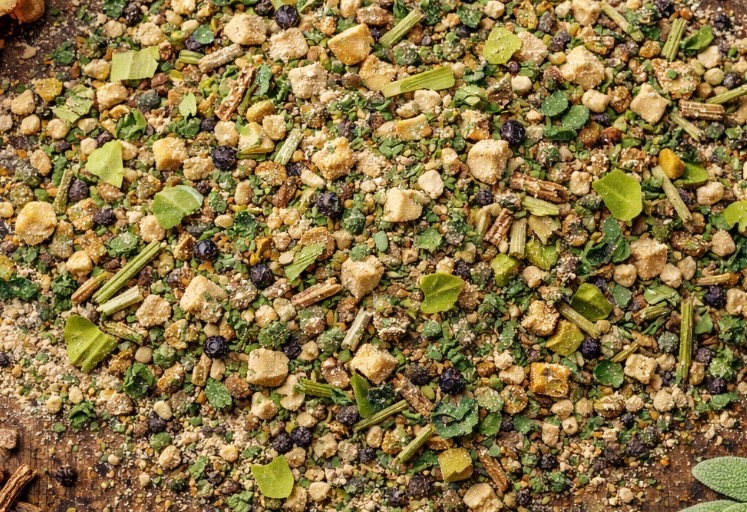
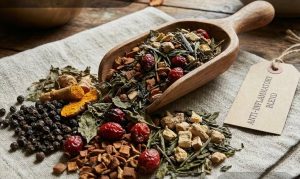
Ingredients: Organic Ginger Root, Organic Licorice Root, Organic Ginkgo Biloba, Organic Lemongrass, Organic Sage, Organic Oregano, Organic Slippery Elm Powder
Breathe easy with Organic Lung Health Tea, a calming blend of organic herbs crafted to support respiratory well-being and alleviate congestion.
Ginger: for a spicy layer of vitality. Gingerols in ginger can help relieve nausea caused by pregnancy, chemotherapy, or surgery.
Research suggests that consuming ginger in daily doses of 2–6 grams may help protect against heart disease by lowering blood pressure, helping prevent heart attacks, helping prevent blood clots, relieving heartburn, lowering cholesterol, improving blood circulation
A lot of research shows that consuming ginger has beneficial effects on weight and blood sugar management by increasing thermogenesis — the production of heat by your body — which helps burn fat, increasing the breakdown of fats for energy, inhibiting fat storage, inhibiting fat absorption, helping control appetite.
In addition, ginger may help improve blood sugar control in people with type 2 diabetes and obesity by reducing fasting insulin levels, hemoglobin A1C, and triglycerides.
People have used ginger to treat inflammation for centuries, and now science backs up this practice for certain uses.
Studies show that the compounds in ginger called gingerol and shogaol help reduce the production of pro-inflammatory markers. People have particularly studied ginger, along with other items like turmeric and black pepper, for their effect in relieving pain from osteoarthritis of the knee.
Studies have even shown that ginger derivatives may help prevent cancer, mostly due to its gingerol and shogaol content. Test-tube studies have shown that gingerol and shogaol may contribute to ginger’s cancer-fighting properties by causing cell death and preventing cancer cell multiplication and growth.
Other test-tube studies have shown that ginger may affect several different types of cancer cells, including pancreatic, colon, colorectal, ovarian, prostate, and lung cancers.
Scientists have studied ginger’s protective effects against oxidative stress and inflammation — two factors that play a decisive role in the development of brain degenerative diseases, such as Alzheimer’s disease.
Animal studies show that gingerol and shogaol offer protection against age-associated decline of brain functions due to their antioxidant properties.
Test-tube studies also suggest that ginger extract may increase cell survival against beta-amyloid — a protein closely related to Alzheimer’s disease that can induce toxicity in brain cells.
Licorice Root: When you first taste licorice root tea, you’ll notice a distinct sweetness similar to black licorice candy. However, licorice root tea is less overpowering than candy and has a more subtle flavor. Some people describe it as slightly earthy or woody, with a hint of anise or fennel. If you’re not a fan of black licorice candy, don’t let that deter you from trying licorice root tea. The taste is much milder and may pleasantly surprise you.
Licorice root comes from the root of the licorice plant, Glycyrrhiza glabra. Medicinal use of licorice dates back to ancient Egypt, where the root was made into a sweet drink for pharaohs. Now, it’s used to help treat various ailments and flavor candies, drinks, and medicines.
Licorice root contains nearly 300 compounds, but its primary active compound is glycyrrhizin. This is responsible for the root’s sweet taste, as well as its antioxidant, anti-inflammatory, and antimicrobial properties.
Licorice root extract may be used to help relieve symptoms of gastroesophageal reflux disease (GERD), such as acid reflux, heartburn, and indigestion.
A 2017 study in 58 adults with GERD found that taking licorice root daily was more effective at reducing symptoms over a 2-year period than commonly used antacids.
Licorice root extract and its glycyrrhizin may help treat peptic ulcers. These painful sores develop in your stomach, lower esophagus, or small intestine as a result of H. pyloribacteria.
A 2023 animal study found that licorice flavonoid could help relieve peptic ulcers by increasing mucus production, reducing inflammation, and improving gut microbiome.
A 2016 study in 120 adults found that consuming licorice extract in addition to a standard treatment significantly reduced the presence of H. pylori after 2 weeks.
Licorice root extract is being studied for its protective effects against certain types of cancer, according to the National Cancer Institute. Studies have found that licorice root helped slow or prevent cell growth in skin, colorectal, and breast cancer.
However, research suggests that licorice root extract may be as effective as the standard treatment for oral mucositis, a side effect of chemotherapy.
Research suggests that licorice root may help protect against cavities and treat the following oral health conditions:
- oral thrush
- canker sores
- tooth decay
- periodontitis
A 2019 review found that glycyrrhizin extract from licorice root may help relieve asthma due to its anti-inflammatory properties. The authors also suggest it may be the asthma treatment with the fewest potential side effects.
Another 2019 study found licorice root tea and extract may protect against strep throat.
Licorice root extract is tied to several other potential benefits, such as:
- aiding diabetes
- reducing menopause symptoms
- boosting weight loss
- treating hepatitis C
Large doses of licorice root products may lead to glycyrrhizin accumulation in your body. Research suggests that in rare cases, this may cause:
- high blood pressure
- low potassium levels
- arrhythmia
- kidney failure
- congestive heart failure
- pulmonary edema
The National Center for Complementary and Integrative Care (NCCIC) notes that chronic use of licorice root may pose a risk for people with hypertension, heart disease, or kidney disease, as well as people who are pregnant or nursing.
Licorice root has been shown to interact with several medications, including:
- blood pressure medications
- blood thinners
- cholesterol-lowering medications
- diuretics
- estrogen-based contraceptives
- nonsteroidal anti-inflammatory drugs (NSAIDs)
If you’re taking any of these medications, it’s best to avoid licorice root products unless you speak with your health care provider and they tell you otherwise.
Ginkgo Biloba: delightfully earthy, slightly sweet, and nutty flavor. Ginkgo biloba, also known as “ginkgo,” is rich in antioxidants. It may help reduce inflammation and benefit heart, brain, and eye health.
Ginkgo’s antioxidant content may be the reason behind many of its health claims.
Ginkgo contains high levels of flavonoids and terpenoids, which are compounds known for their strong antioxidant effects. Antioxidants combat or neutralize the damaging effects of free radicals.
Inflammation is part of the body’s natural response to injury or invasion by a foreign substance. In the inflammatory response, various components of the immune system are recruited to fight against the foreign invader or heal the injured area.
Some research suggests that ginkgo extract can reduce markers of inflammation in both human and animal cells in a variety of disease states.
Ginkgo’s apparent ability to increase blood flow to various parts of the body may be the origin of many of its supposed benefits.
One older study from 2008 in people with heart disease who supplemented with ginkgo revealed an immediate increase in blood flow to multiple parts of the body. This was attributed to a 12% increase in levels of circulating nitric oxide, a compound responsible for dilating blood vessels.
Research results are inconsistent with regard to whether ginkgo can reduce anxiety, stress, and symptoms associated with Alzheimer’s disease and cognitive decline linked to aging. Some studies show a marked reduction in the rate of cognitive decline in people with dementia using ginkgo, but others fail to replicate this result.
A 2016 review of 21 studies revealed that, when used in conjunction with conventional medication, ginkgo extract may increase functional capabilities in those with mild Alzheimer’s disease. A 2018 review evaluated four studies and found a significant reduction in a spectrum of symptoms associated with dementia when ginkgo was used for 22 to 24 weeks. Overall, it’s too soon to definitively state or refute ginkgo’s role in treating dementia, but recent research is beginning to make this piece clearer.
There’s some speculation that ginkgo may enhance brain function in some individuals. An older study from 2002 supports the notion that supplementing with ginkgo may increase mental performance and perceived well-being.
A handful of animal studies from 2015 and 2018 have observed reductions in anxiety symptoms that may be attributed to the antioxidant content of ginkgo.
A 2018 human study in 136 older adults also found that ginkgo biloba extract could improve symptoms of depression and reduce levels of S100B, a marker of brain injury, when paired with an antidepressant.
A 2019 study showed that older adults with post-stroke depression who took ginkgo biloba extract alongside an antidepressant for 8 weeks experienced significant reductions in symptoms of depression compared to taking an antidepressant alone.
Nonetheless, depression is a complex condition that may have a variety of root causes.
A 2018 review showed that people with glaucoma who took a ginkgo supplement experienced increased blood flow to the eyes, but this didn’t necessarily translate to better vision. A 2013 review of two studies evaluated the effect of ginkgo extract on the progression of age-related macular degeneration. Some participants reported an improvement in vision, but this wasn’t statistically significant across the board.
These results may be related to increased blood flow to the eyes. It’s unclear if ginkgo would improve vision in those who don’t already have vision impairment and more research is needed to determine whether ginkgo can increase vision capacity or slow the progression of degenerative eye disease.
Some research indicates that ginkgo may improve symptoms of asthma and other inflammatory respiratory diseases like COPD.
This is attributed to the anti-inflammatory compounds in ginkgo, which may allow for reduced inflammation of the airways and increased lung capacity.
One older 2007 study of 75 people evaluated the use of ginkgo extract alongside glucocorticosteroid medication therapy for managing asthma symptoms. The levels of inflammatory compounds in the saliva of those who received ginkgo were significantly lower than those who received traditional medication alone.
Ginkgo may treat issues related to sexual dysfunction, such as erectile dysfunction and low libido. Ginkgo has the ability to improve blood levels of nitric oxide, which improves circulation via the dilation of blood vessels. As a result, ginkgo may also be useful for treating various symptoms of sexual dysfunction by improving blood flow to those areas of the body.
Some 2021 research has investigated using ginkgo to treat sexual dysfunction caused by the use of antidepressant drugs. Results indicated that ginkgo wasn’t any more effective than a placebo in these cases.
An older 2008 study evaluated the use of ginkgo to increase sexual desire and contentment in women who were concurrently undergoing sexual psychotherapy. The combination of ginkgo and therapy was effective over a longer term compared with a placebo.
Ginkgo also has the potential to interact with certain medications. Examples include:
blood thinners (Warfarin, aspirin)
SSRIs/MAOIs/antidepressants (Prozac, Zoloft)
Lemongrass: subtle and sweet, with a hint of tropical fruitiness. Lemongrass, also called citronella, is a tall, stalky plant with a fresh, lemony aroma and citrus flavor. It’s a common ingredient in Thai cooking.
According to a 2021 review of studies, lemongrass contains several antioxidants, which can help scavenge free radicals in your body that may cause disease.
Antioxidants of note are:
- chlorogenic acid
- isoorientin
- swertiajaponin
These antioxidants may help prevent the dysfunction of cells inside your coronary arteries.
Inflammation is thought to play a role in many conditions, including heart disease and stroke.
Research from 2024 suggests that lemongrass has anti-inflammatory benefits. Its compounds may help stop the release of certain inflammation-causing markers in your body.
A 2022 study also notes that the analgesic and anti-inflammatory effects of lemongrass are widely known and used in folk medicine.
The citral in lemongrass is also thought to have potent anticancer abilities against some cancer cell lines.
Several components of lemongrass may help fight cancer. This occurs either by directly causing cell death or by boosting the immune system so that the body is better able to fight off cancer on its own. Lemongrass tea is sometimes used as an adjuvant therapy during chemotherapy and radiation. It should only be used in this situation, under the guidance of an oncologist.
A cup of lemongrass tea is a go-to alternative remedy for upset stomach, stomach cramping, and other digestive problems. A 2012 study on rodents showed that lemongrass may also be effective against gastric ulcers.
The study found that the essential oil of lemongrass leaves can help protect the stomach lining against damage from aspirin and alcohol. Regular aspirin use is a common cause of gastric ulcers.
In the world of natural health, lemongrass is a known diuretic. A diuretic makes you urinate more often, ridding your body of excess fluid and sodium. Diuretics are often prescribed if you have:
- heart failure
- liver failure
- edema
In a 2011 study, 72 male volunteers were given either lemongrass tea or green tea to drink. Those who drank the lemongrass tea experienced a moderate drop in systolic blood pressure. They also had a significantly lower heart rate.
High cholesterol can increase your risk of heart attack or stroke.
A 2022 in vitro study found that lemongrass had the ability to prevent cholesterol absorption in the gut. However, researchers cautioned that additional studies are needed to confirm these results.
In addition, a 2018 animal study found that lemongrass water extract significantly decreased total cholesterol in rats.
Lemongrass tea is used as a detox tea to kick-start your metabolism and help you lose weight. If you drink enough of it, you’re likely to drop some pounds.
Lemongrass tea is used as a natural remedy for menstrual cramps, bloating, and hot flashes.
A 2019 study found that lemongrass has galactagogue properties, which promote the formation of milk in breasts. Researchers also found that lemongrass is effective in stimulating menstrual flow, and it helps soothe menstrual cramps and discomfort.
Sage: Sage tea is an aromatic infusion made from the leaves of common sage (Salvia officinalis), an herb in the same family as mint. Commonly used as a spice, sage also has a long history of use in alternative and traditional medicine. Notably, its tea is packed with potential health benefits.
Sage tea contains a variety of powerful plant compounds. In particular, its antioxidants work to neutralize harmful compounds called free radicals. When these accumulate in your body, they can lead to chronic diseases like type 2 diabetes and certain cancers.
Sage tea is particularly high in rosmarinic acid. Studies have shown that this antioxidant provides numerous benefits, such as decreased inflammation and blood sugar levels. While inflammation is a natural bodily response, chronic inflammation can increase your risk of illness.
Sage likewise provides a fair amount of vitamin K, which is essential for bone health, circulation, and proper blood clotting. What’s more, this tea boasts several other health-promoting compounds, including carnosol and camphor.
In one study, sage extract significantly increased the levels of anti-inflammatory compounds circulating in the blood while decreasing the levels of inflammatory compounds. Sage tea’s anti-inflammatory and antioxidant effects may be responsible for many of its purported benefits.
Sage is a common ingredient in cosmetics that are applied topically as a natural skin care remedy. It’s possible that drinking its tea provides some of the same benefits. In a test-tube study on animal skin cells, camphor — one of sage’s key compounds — was found to promote healthy skin-cell growth, slow signs of aging, and decrease wrinkle formation.
Sage is one of the most popular herbs in dentistry, as it targets pain, inflammation, and bad breath, as well as exerts antibacterial and wound-healing properties. In fact, gargling sage tea is often recommended as a remedy for mouth wounds and sore throats. These oral benefits are often attributed to the powerful antioxidant rosmarinic acid. Furthermore, sage is added to some mouthwashes because of its antibacterial and anti-inflammatory activity.
Sage, which is a frequent ingredient in alternative blood sugar medications, may help improve blood sugar levels and prevent or treat type 2 diabetes.
A 2-month study in 105 adults with type 2 diabetes found supplementing with 500 mg of sage extract 3 times daily improved fasting blood sugar, post-meal blood sugar, and hemoglobin A1c — a measure of average blood sugar levels over the previous 3 months.
Meanwhile, a mouse study determined that replacing water with sage tea reduced fasting blood sugar levels. Furthermore, a test-tube study suggested that sage behaves similarly to insulin — a hormone that helps manage blood sugar levels — by moving sugar in your blood into your cells for storage, thus lowering levels of this marker.
There is some evidence that sage tea may help fight cancer cells. It contains several anticancer compounds, including carnosol, camphor, and rosmarinic acid. In particular, animal and test-tube studies reveal that carnosol can kill several types of cancer cells without affecting healthy cells.
In a study in over 500 people, sage and chamomile teas were linked to a decreased risk of thyroid cancer. Meanwhile, in a test-tube study, sage tea helped prevent genetic changes that cause colon cancer cell formation.
Sage is widely used in alternative medicine to boost mood, improve memory, and help prevent brain-related disorders like Alzheimer’s. Scientific research backs many of these uses. Alzheimer’s progresses due to amyloid plaques that form in the brain. Several test-tube and animal studies indicate that sage and rosmarinic acid may help prevent the formation of these plaques.
In addition, multiple human studies note that sage extracts improve memory, brain function, mood, and focus.
Sage may also provide some unique benefits for women. In the Middle East, pregnant women commonly use sage to treat digestive symptoms like nausea, a common problem early in pregnancy. Historically, sage has also been utilized as a natural way to reduce breastmilk production in women who are weaning or have an overabundant supply.
Some research indicates that sage may help improve cholesterol and triglyceride levels, potentially decreasing your risk of heart disease.
In a small, 4-week study in 6 women, drinking 10 ounces (300 ml) of sage tea twice daily resulted in 16% lower total cholesterol, 20% lower LDL (bad) cholesterol, and 38% higher HDL (good) cholesterol.
A 2-month study in 105 people with type 2 diabetes on cholesterol-lowering drugs found that those who took 500 mg of sage extract 3 times daily had healthier levels of triglycerides and all cholesterol markers, compared with those in the control group.
Oregano: rich and earthy taste, accompanied by subtle hints of spiciness. Oregano (Origanum vulgare) is a robust herb with a pungent aroma and many health benefits, including anti-inflammatory and antimicrobial properties.
Herbs are thought to have some of the highest amounts of antioxidants known by weight compared to other foods. Oregano contains antioxidants, including caffeic acid, p-coumaric acid, rosmarinic acid, caffeoyl derivatives, carvacrol, and flavonoids (apigenin, eriodictyol, dihydroquercetin, dihydrokaempferol, thymol).
In addition, oregano contains ample amounts of vitamin K (1 teaspoon provides 14% of your daily needs).
In an in vitro study, researchers used oregano oil against antibiotic-resistant pathogens (germs that develop the ability to defeat the drugs designed to kill them off) like methicillin-resistant Staphylococcus aureus (MRSA) and found that oregano oil presented the best antibacterial effect.
Oregano contains a wide variety of plant-based antioxidants. The two studied the most are carvacrol and thymol. But oregano also contains limonene, terpinene, ocimene, and caryophyllene, other plant-based compounds that have antioxidative properties. Antioxidants are known for scavenging free radicals (reactive and unstable molecules produced in cells by metabolism) and assisting in lowering inflammation.
One study examined the effects of concentrated sources of oregano on inflamed skin cells. Researchers extracted human skin cells and stimulated them with sources of inflammation such as interleukin-1-beta, tumor necrosis factor-alpha, interferon-y, basic fibroblast growth factor, epidermal growth factor, and platelet-derived growth factor.
Next, they subjected the cells to different concentrations of oregano and examined the levels of several inflammatory biomarkers, which decreased after exposure to the oil.
The antioxidants found in oregano may assist in protecting cells from damage. For example, carvacrol and thymol may help induce cancer cell death, slow tumor growth, and prevent the spread of cancer.
Diabetes is a chronic metabolic disorder that requires daily self-management. People with diabetes must consider their diet, exercise, stress, sleep, medications, blood sugar self-monitoring, and more.
Eating a diet rich in plants provides ample amounts of vitamins, fiber, vitamins, and minerals. Including oregano in your eating plan adds a boost of vitamin K and other plant compounds that may assist in blood sugar regulation and reduce inflammation.
The use of oregano and oregano oil extract may also assist in gut health by potentially treating bacteria like Helicobacter pylori (H. pylori), which is linked to peptic ulcers and stomach cancer.
Chemicals in oregano may have possible effects in:
- Reducing cough
- Helping with digestion
- Wound healing
- Bacterial, viral, or parasite infections
- Candida
Slippery Elm Powder: elm bark has a sweet, neutral flavor. Slippery elm benefits are attributed mostly to mucilage, a type of fiber that forms a gel-like substance in water, but more research is needed to support therapeutic uses. It has long been used as a traditional remedy for sore throat, wounds, and digestive disorders, and has properties that increase mucus production in the human body.
Slippery elm might be useful in treating certain health conditions. Possible uses for slippery elm include:
- Skin conditions
- Sore throat
- Constipation and other gastrointestinal symptoms
- Stomach ulcers
- Diuretic (relieving fluid)
Slippery elm may help people with constipation due to irritable bowel syndrome (IBS), one small study showed. Some people also use slippery elm powder in water to soothe heartburn and mild stomach discomfort.
Slippery elm traditionally has been used to treat sore throats and coughs. Theoretically, the smooth texture of slippery elm soothes your throat.
The study on IBS and another on antioxidant effects suggest slippery elm might reduce inflammation.

Reviews
There are no reviews yet.