Description
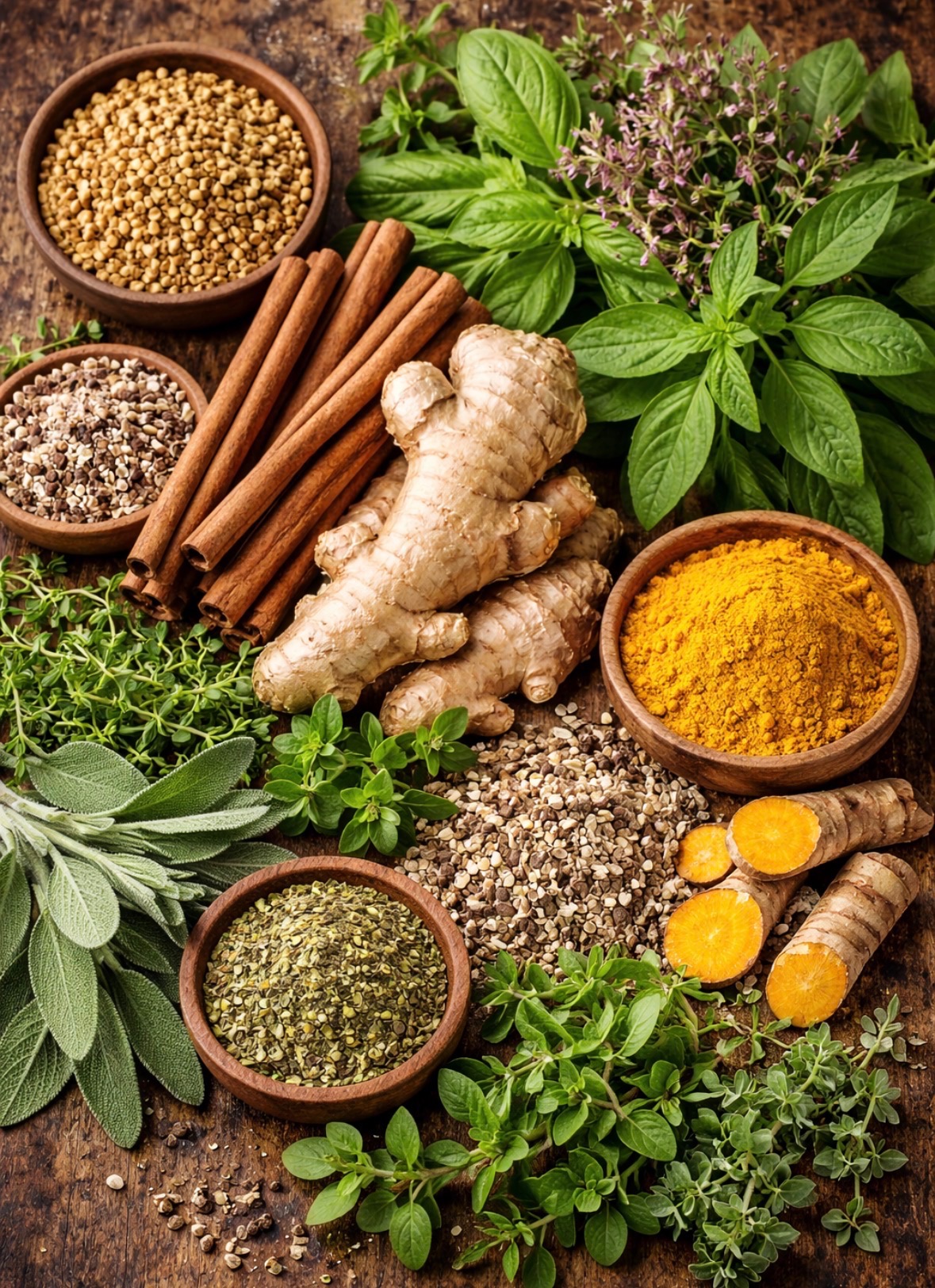
Ingredients: Organic Cinnamon, Organic Ginger Root, Organic Holy Basil, Organic Fenugreek, Organic Milk Thistle, Organic Turmeric, Organic Sage, Organic Oregano
Organic Blood Sugar Balance is a potent, savory blend with cozy and warming spiced notes. Crafted to support balanced blood sugar levels, this flavorful blend features potent organic ingredients like sage, cinnamon, and oregano.
Cinnamon: adds warmth, aroma, and depth. Cinnamon tea contains lots of antioxidants, which are beneficial compounds that help keep you healthy.
Antioxidants fight off oxidation caused by free radicals, which are molecules that damage your cells and contribute to diseases like diabetes, cancer, and heart disease.
Cinnamon is particularly rich in polyphenol antioxidants. A study comparing the antioxidant activity of 26 spices reported that cinnamon is only outranked by cloves and oregano.
Studies suggest that compounds in cinnamon may reduce markers of inflammation. This may be immensely beneficial, given that inflammation is thought to be at the root of many chronic diseases, including heart disease.
Studies also report that cinnamon may reduce blood pressure, as well as triglyceride and LDL (bad) cholesterol levels. What’s more, cinnamon may increase levels of HDL (good) cholesterol, which helps improve your heart health by removing excess cholesterol from your blood vessels.
A review of 10 studies found that consuming as little as 120 mg of cinnamon — less than a 1/10 teaspoon — each day may be sufficient to help you reap these benefits.
Morelliville only uses Cassia cinnamon, particularly because contains high amounts of natural coumarins, a group of compounds that helps prevent the narrowing of blood vessels and offers protection against blood clots.
Cinnamon may provide powerful antidiabetic effects by lowering blood sugar levels.
This spice appears to act in a manner similar to that of insulin, the hormone responsible for shuttling sugar out of your bloodstream and into your tissues. What’s more, compounds found in cinnamon may further contribute to lower blood sugar levels by lowering insulin resistance, thereby increasing insulin’s effectiveness.
Cinnamon may also help slow the breakdown of carbs in your gut, preventing your blood sugar levels from spiking after meals.
Cinnamon tea is often touted to help with weight loss, and several studies have linked cinnamon intake to fat loss or reductions in waist circumference. This is especially true for Cassia cinnamon, which contains up to 63 times more coumarin than Ceylon cinnamon.
One well-controlled study provided women with 3 grams of cinnamon or a placebo each day for the first 3 days of their menstrual cycle. The women in the cinnamon group experienced significantly less menstrual pain than those given the placebo. There’s also evidence that cinnamon may reduce menstrual bleeding, vomiting frequency, and nausea severity during women’s periods.
Cinnamon tea may help make some menstrual symptoms, such as premenstrual syndrome (PMS) and dysmenorrhea, more bearable.
Ginger: for a spicy layer of vitality. Gingerols in ginger can help relieve nausea caused by pregnancy, chemotherapy, or surgery.
Research suggests that consuming ginger in daily doses of 2–6 grams may help protect against heart disease by lowering blood pressure, helping prevent heart attacks, helping prevent blood clots, relieving heartburn, lowering cholesterol, improving blood circulation
A lot of research shows that consuming ginger has beneficial effects on weight and blood sugar management by increasing thermogenesis — the production of heat by your body — which helps burn fat, increasing the breakdown of fats for energy, inhibiting fat storage, inhibiting fat absorption, helping control appetite.
In addition, ginger may help improve blood sugar control in people with type 2 diabetes and obesity by reducing fasting insulin levels, hemoglobin A1C, and triglycerides.
People have used ginger to treat inflammation for centuries, and now science backs up this practice for certain uses.
Studies show that the compounds in ginger called gingerol and shogaol help reduce the production of pro-inflammatory markers. People have particularly studied ginger, along with other items like turmeric and black pepper, for their effect in relieving pain from osteoarthritis of the knee.
Studies have even shown that ginger derivatives may help prevent cancer, mostly due to its gingerol and shogaol content. Test-tube studies have shown that gingerol and shogaol may contribute to ginger’s cancer-fighting properties by causing cell death and preventing cancer cell multiplication and growth.
Other test-tube studies have shown that ginger may affect several different types of cancer cells, including pancreatic, colon, colorectal, ovarian, prostate, and lung cancers.
Scientists have studied ginger’s protective effects against oxidative stress and inflammation — two factors that play a decisive role in the development of brain degenerative diseases, such as Alzheimer’s disease.
Animal studies show that gingerol and shogaol offer protection against age-associated decline of brain functions due to their antioxidant properties.
Test-tube studies also suggest that ginger extract may increase cell survival against beta-amyloid — a protein closely related to Alzheimer’s disease that can induce toxicity in brain cells.
Holy Basil: peppery spice, minty freshness, and subtle clove-like sweetness, underscored by a slightly bitter undertone. This green leafy plant is also known as Ocimum sanctum L. and tulsi. Some people recommend different parts of the plant for treating different conditions.
All parts of the holy basil plant act as an adaptogen. An adaptogen is a natural substance that helps your body adapt to stress and promotes mental balance.
The concept of an adaptogen is a holistic approach. However, holy basil has pharmacological properties to help your mind cope with many types of stress.
The source of your stress can be:
- chemical
- physical
- infectious
- emotional
In the case of physical stress, holy basil may increase endurance in animals. According to a 2017 research review, animals who had holy basil leaf extracts and went through environment-induced stress scenarios showed:
- enhanced metabolism
- improved swimming time
- less tissue damage
- lower stress levels in loud environments
Human and animal studies saw reduced:
- stress
- sexual problems
- sleep problems
- forgetfulness
- exhaustion
According to a 2022 study, holy basil extract helped reduce stress and improved quality of sleep.
If you have prediabetes or type 2 diabetes, all parts of the holy basil plant may help reduce your blood sugar. According to a 2017 research review, some human studies have shown that holy basil can help prevent symptoms of diabetes.
Since holy basil targets metabolic stress, it may help with cholesterol levels.
A 2018 study found that holy basil was able to decrease total, low-density lipoprotein (LDL), and very low-density lipoprotein (VLDL) cholesterol in older adults with metabolic disease.
According to a 2017 research review, holy basil may help alleviate inflammation.
Fenugreek: When you first take a sip of fenugreek tea, your taste buds might be greeted with an earthy, slightly nutty flavor that leaves an intriguing impression. Unlike conventional herbal teas that might offer floral or fruity notes, fenugreek tea carries a distinct taste that can be quite polarizing. Some people find a pleasant warmth in its flavor, while others struggle to appreciate its unique profile. The primary taste is often described as mildly bitter, with a hint of sweetness that gently balances the bitterness, creating an overall experience that’s both robust and comforting. This complexity makes fenugreek tea a fascinating choice for those willing to explore new flavors in their beverage repertoire.
It is an herb long used in alternative medicine. It’s a common ingredient in Indian dishes and is often taken as a supplement. This herb may have numerous health benefits.
For thousands of years, fenugreek has been used in alternative and Chinese medicine to treat skin conditions and many other diseases. It is also a common household spice and thickening agent and can be found in many products, such as soap and shampoo. Morelliville Farms uses it in our Non-Soap Cleansing Bar.
Fenugreek is an ingredient in many supplements. Since formulations differ, the recommended dose depends on the supplement. There is no single recommended dose. Additionally, the dosage may vary depending on the benefit you seek.
Most testosterone-based research uses around 250–600 mg of fenugreek extract, while research on breast milk production has used around 1–6 g. Research on other areas has used much higher doses.
Studies on the cholesterol– and blood sugar-lowering effects of fenugreek suggest that doses between 5 and 25 g may be most effective.
When it comes to determining how much fenugreek tea to drink, it’s essential to consider general dosage guidelines. Many herbalists and wellness experts recommend consuming around one to three cups of fenugreek tea each day. This range allows for flexibility depending on your personal health objectives and how your body responds to the tea. Starting slow with just one cup a day and gradually increasing it can help you gauge how your system reacts to fenugreek without overwhelming it.
One of the most common reasons men use fenugreek supplements is to boost testosterone.
Some studies have found that it has beneficial effects, including an increased libido. In one older study, taking 300 milligrams (mg) of fenugreek twice daily for 8 weeks led to significant increases in testosterone levels in men when combined with resistance training. Participants also experienced a reduction in body fat compared to the control group, without any decrease in muscle strength.
In another older 6-week study, 30 males took a supplement with 600 mg of fenugreek extract — along with magnesium, zinc, and vitamin B6 — to assess changes in sexual function and libido. Most participants reported increased strength and improved sexual function.
In a newer study from 2020, 138 male participants were divided into three groups. Those who took 600 mg of supplement derived from fenugreek (Testofen), those who took 300 mg of Testofen, and those who took a placebo. Participants were enrolled randomly into a group without knowing which group they were in. The group that took 600 mg had a decrease in body mass and body fat but an increase in lean mass. They also had a measurable increase in testosterone concentration.
Fenugreek may help prevent metabolic conditions, such as diabetes.
In one study, people with type 2 diabetes who took 5 g of fenugreek seed powder twice daily for 2 months experienced a reduction in fasting blood sugar levels, belly fat, body mass index, and hemoglobin A1c, a marker of long-term blood sugar management.
The high fiber content of fenugreek powder or seeds could also support blood sugar management, even in people without diabetes.
Two systematic reviews examined fenugreek’s benefits for controlling blood glucose (sugar). According to another systematic review, fenugreek has the following effects:
- Reduced fasting (before-meal) blood sugar levels
- Lowered two hours post-prandial (after-meal) blood sugar levels
- Decreased hemoglobin A1c test (average blood sugar for the last three months)
Researchers found that replacing 10% of the refined wheat flour in buns and flatbreads with fenugreek powder significantly reduced blood sugar levels after eating in people without diabetes.
Fenugreek has many dosage forms used in studies, including cooked leaves, teas, raw seeds, powders, and extracts. Clinical trials have shown promise, but more studies are needed
This will not cause you to create breast milk if you are not breast feeding.
Breast milk is the best source of nutrition for your baby’s development. However, some people may find it difficult to produce sufficient amounts.
While prescription drugs are commonly used to boost breastmilk production, research suggests that fenugreek may be a safe, natural alternative.
One older, 14-day study of 78 new mothers found that drinking herbal tea with fenugreek seeds increased breast milk production, which helped babies gain more weight.
Another 2011 study split 66 mothers into three groups. One received fenugreek tea, the second received a placebo, and the third received nothing. The volume of pumped breast milk increased from around 1.15 ounces (oz), or 34 milliliters (mL) in the control and placebo groups to 2.47 oz (73 mL) in the fenugreek group.
In a 2020 case-control study, mothers with newborns and complaints of insufficient milk were given water soaked with fenugreek. The researchers found an associated increase in milk production as documented by increases in the frequency of urination and higher weight gain among the newborns of the fenugreek subjects compared to the control group.
These studies used fenugreek herbal tea or fenugreek water instead of supplements, but supplements are likely to have similar effects. Though this research is encouraging, discuss any concerns about breastmilk production with a healthcare professional before taking any supplements or teas.
Preliminary research suggests that fenugreek may aid:
Appetite control: Researchers saw a reduction in fat intake and appetite. An older study from 2009 found that participants spontaneously reduced total fat intake by 17%.
Cholesterol levels: Some evidence indicates that fenugreek can lower cholesterol and triglyceride levels.
Heartburn: An older 2-week pilot study of people with frequent heartburn found that fenugreek reduced their symptoms. In fact, its effects matched those of antacid medications.
Inflammation: This herb has demonstrated anti-inflammatory effects in rats and mice. More research is needed to confirm this in humans.
Milk Thistle: Milk thistle tea, derived from the seeds and leaves of the Silybum marianum plant, possesses a subtle and often described as earthy, slightly bitter, and vaguely reminiscent of green tea. While not intensely flavorful, its distinct taste makes it a unique and potentially acquired taste for some.
Milk thistle is an herbal remedy derived from the milk thistle plant, also known as Silybum marianum. This prickly plant has distinctive purple flowers and white veins, which traditional stories say were caused by a drop of the Virgin Mary’s milk falling onto its leaves.
The active ingredients in milk thistle are a group of plant compounds collectively known as silymarin. Its herbal remedy is known as milk thistle extract. Milk thistle extract has a high amount of silymarin that has been concentrated from the milk thistle plant. The silymarin extracted from milk thistle is known to have antioxidant, antiviral and anti-inflammatory properties.
In fact, it has traditionally been used to treat liver and gallbladder disorders, promote breast milk production, prevent and treat cancer and even protect the liver from snake bites, alcohol and other environmental poisons.
Milk thistle is often promoted for its liver-protecting effects.
It’s regularly used as a complementary therapy by people who have liver damage due to conditions like alcoholic liver disease, non-alcoholic fatty liver disease, hepatitis and even liver cancer.
It’s also used to protect the liver against toxins like amatoxin, which is produced by the death cap mushroom and is deadly if ingested.
A 2021 study showed improvements in liver function in people with non-alcoholic fatty liver disease who have taken a milk thistle supplement, suggesting it could help reduce liver inflammation and liver damage.
Although more research is needed on how it works, milk thistle is thought to reduce damage to the liver caused by free radicals, which are produced when your liver metabolizes toxic substances.
One 2014 study also found that it may slightly extend the life expectancy of people with cirrhosis of the liver due to alcoholic liver disease.
Milk thistle has been used as a traditional remedy for neurological conditions like Alzheimer’s and Parkinson’s disease for over two thousand years. Its anti-inflammatory and antioxidant properties mean that it is possibly neuroprotective and could help prevent the decline in brain function you experience as you age.
In older animal studies, silymarin has been shown to prevent oxidative damage to brain cells, which could help prevent mental decline. These studies have also seen that milk thistle may be able to reduce the number of amyloid plaques in the brains of animals with Alzheimer’s disease. Amyloid plaques are sticky clusters of amyloid proteins that can build up between nerve cells as you age. They are seen in very high numbers in the brains of people with Alzheimer’s disease, meaning that milk thistle could potentially be used to help treat this difficult condition.
Osteoporosis is a disease caused by progressive bone loss. It usually develops slowly over a number of years and causes weak and fragile bones that break easily, even after minor falls. Milk thistle has been shown in experimental animal studies to stimulate bone mineralization and potentially be protective against bone loss.
As a result, two 2013 studies suggest that milk thistle may be a useful therapy for preventing or delaying bone loss in postmenopausal women.
One reported effect of milk thistle is that it can boost breast milk production in lactating mothers. It’s thought to work by making more of the milk-producing hormone prolactin.
The data is very limited, but one older randomized controlled study found that mothers taking 420 mg of silymarin for 63 days produced 64% more milk than those taking a placebo.
Acne is a chronic inflammatory skin condition. While not dangerous, it can cause scars. People may also find it painful and worry about its effects on their appearance. It’s been suggested that oxidative stress in the body may play a role in the development of acne.
Due to its antioxidant and anti-inflammatory effects, milk thistle may be a useful supplement for people with acne. Interestingly, one 2012 study found that people with acne who took 210 milligrams of silymarin per day for 8 weeks experienced a 53% decrease in acne lesions.
Milk thistle may be a useful complementary therapy to help manage type 2 diabetes. It’s been discovered that one of the compounds in milk thistle may work similarly to some diabetic medications by helping improve insulin sensitivity and decrease blood sugar.
In fact, the same 2021 systematic review and analysis found that people routinely taking silymarin experienced a significant reduction in their fasting blood sugar levels and HbA1c, a measure of blood sugar control.
Additionally, the antioxidant and anti-inflammatory properties of milk thistle may also be useful for reducing the risk of developing diabetic complications like kidney disease.
Milk thistle is generally considered safe when taken by mouth. When reported, side effects for milk thistle are generally gut disturbances like diarrhea, nausea or bloating.
Some people are advised to be cautious when taking milk thistle. These include:
- Pregnant women: There is no data on its safety in pregnant women, so they are usually advised to avoid this supplement.
- Those allergic to the plant: Milk thistle may cause an allergic reaction in people who are allergic to the Asteraceae/Compositae family of plants.
- People with diabetes: The blood sugar-lowering effects of milk thistle may put people with diabetes at risk of low blood sugar.
- Those with certain conditions: Milk thistle can have estrogenic effects, which may worsen hormone-sensitive conditions, including some types of breast cancer.
Turmeric: earthy, warm, and slightly peppery, with a touch of bitterness and a hint of spice. Turmeric is a flowering plant in the ginger family. Its scientific name is Curcuma longa. People have used the herbal spice known as turmeric for thousands of years to make tea from the plant’s rhizome stems, or its underground root system.
This same type of turmeric is also used in cooking, for health purposes, in spiritual practices, and more.
It’s also commonly used in the ancient Indian health system Ayurveda. Thus, you might see turmeric tea called by one of its traditional Indian names, such as haldi or manjal.
Researchers believe the most potent of those components is curcumin. Studies in humans have shown that curcumin has anti-inflammatory, antidiabetic, and antioxidant properties.
One teaspoon (3 grams) of dried turmeric — an amount you might use to make a cup of turmeric tea — also contains:
- Manganese: 26% of the Daily Value (DV)
- Iron: 9% of the DV
- Copper: 4% of the DV
Bioactive compounds are nutrients that promote health in humans. These include common vitamins and minerals, as well as lesser known compounds such as polyphenols and volatile oils.
Curcuminoids such as curcumin are the largest group of bioactive compounds found in turmeric tea, although it contains hundreds of others, including many volatile essential oils and multiple types of antioxidants.
Turmeric and curcumin may help keep your heart functioning properly in more ways than one.
Studies suggest that turmeric and curcumin supplements may lower blood pressure and levels of fat in the blood — both of which can be risk factors for heart disease when they exceed normal levels.
For example, one study found that taking turmeric for 12 weeks or longer significantly reduced systolic blood pressure, the first number in a blood pressure reading. This number represents how much pressure is placed on the arteries each time your heart beats.
A separate study observed that turmeric and curcumin reduced some blood fat levels, including LDL (bad) cholesterol and total triglycerides.
Heart disease remains the world’s leading cause of death. Turmeric tea may help by:
- Improving endothelial function (the lining of your blood vessels)
- Reducing inflammation and oxidation
- Potentially lowering total cholesterol and LDL (bad) cholesterol levels
Research suggests that curcumin may be as effective as exercise in improving endothelial function in postmenopausal women.
Curcumin crosses the blood-brain barrier and has shown potential in improving brain health by:
Increasing levels of brain-derived neurotrophic factor (BDNF), a growth hormone that functions in the brain
Clearing amyloid plaques, a key feature of Alzheimer’s disease
Reducing oxidative damage and inflammation in the brain
Regular consumption of turmeric tea may help maintain cognitive function as you age.
Scientists are also exploring how curcumin may be related to depression and mood disorders. One or even a few cups of turmeric tea won’t contain nearly the same amount of concentrated curcumin that participants consumed in these studies, but it’s possible turmeric tea might still have some effect on mood.
For many people around the world, a hot cup of tea is a warm, calming, and soothing ritual in its own right. For some, this alone might have mood-boosting effects.
Black pepper might sound like an odd pairing for tea, but when it comes to turmeric tea, it’s not as far-fetched as you might think.
Black pepper not only adds depth to turmeric’s spicy punch but also contains a nutrient called piperine that helps your body absorb significantly more curcumin from turmeric. Remember, your body doesn’t absorb curcumin very well, so this can help.
What’s more, curcumin is a fat-soluble nutrient, so pairing turmeric with fats like coconut oil or milk — such as in popular golden milk turmeric tea recipes — might also help you absorb more of the nutrient.
Chronic inflammation contributes to many common health conditions, including heart disease, cancer, and autoimmune disorders. Curcumin in turmeric tea works by blocking NF-kB.
This is a molecule that travels into cell nuclei and triggers genes related to inflammation. Studies suggest curcumin’s anti-inflammatory effects can be comparable to some anti-inflammatory drugs, but without the side effects.
Many arthritis patients report significant improvements in pain and function when consuming curcumin regularly. In rheumatoid arthritis patients, curcumin is more effective than anti-inflammatory drugs in some studies. For osteoarthritis, it may help reduce pain and improve physical function.
The liver is your body’s primary detoxification organ. Turmeric may enhance its function by:
- Increasing production of key detoxification enzymes
- Protecting against liver damage from toxins
- Supporting bile production and flow
Regular turmeric tea consumption may help maintain optimal liver function.
For those with diabetes or at risk of developing it, turmeric tea may:
- Improve insulin sensitivity
- Help stabilize blood glucose levels
- Reduce inflammation associated with diabetes
- Potentially helps prevent complications of diabetes
Some studies suggest curcumin could be a valuable addition to diabetes management protocols.
Turmeric tea may support healthy weight management by:
- Inhibiting the formation of fat tissue
- Reducing inflammation associated with obesity
- Improving metabolism
- Potentially regulating hunger hormones
While not a magic solution, it can be a helpful addition to a comprehensive weight management plan.
Sage: Sage tea is an aromatic infusion made from the leaves of common sage (Salvia officinalis), an herb in the same family as mint. Commonly used as a spice, sage also has a long history of use in alternative and traditional medicine. Notably, its tea is packed with potential health benefits.
Sage tea contains a variety of powerful plant compounds. In particular, its antioxidants work to neutralize harmful compounds called free radicals. When these accumulate in your body, they can lead to chronic diseases like type 2 diabetes and certain cancers.
Sage tea is particularly high in rosmarinic acid. Studies have shown that this antioxidant provides numerous benefits, such as decreased inflammation and blood sugar levels. While inflammation is a natural bodily response, chronic inflammation can increase your risk of illness.
Sage likewise provides a fair amount of vitamin K, which is essential for bone health, circulation, and proper blood clotting. What’s more, this tea boasts several other health-promoting compounds, including carnosol and camphor.
In one study, sage extract significantly increased the levels of anti-inflammatory compounds circulating in the blood while decreasing the levels of inflammatory compounds. Sage tea’s anti-inflammatory and antioxidant effects may be responsible for many of its purported benefits.
Sage is a common ingredient in cosmetics that are applied topically as a natural skin care remedy. It’s possible that drinking its tea provides some of the same benefits. In a test-tube study on animal skin cells, camphor — one of sage’s key compounds — was found to promote healthy skin-cell growth, slow signs of aging, and decrease wrinkle formation.
Sage is one of the most popular herbs in dentistry, as it targets pain, inflammation, and bad breath, as well as exerts antibacterial and wound-healing properties. In fact, gargling sage tea is often recommended as a remedy for mouth wounds and sore throats. These oral benefits are often attributed to the powerful antioxidant rosmarinic acid. Furthermore, sage is added to some mouthwashes because of its antibacterial and anti-inflammatory activity.
Sage, which is a frequent ingredient in alternative blood sugar medications, may help improve blood sugar levels and prevent or treat type 2 diabetes. A 2-month study in 105 adults with type 2 diabetes found supplementing with 500 mg of sage extract 3 times daily improved fasting blood sugar, post-meal blood sugar, and hemoglobin A1c — a measure of average blood sugar levels over the previous 3 months.
Meanwhile, a mouse study determined that replacing water with sage tea reduced fasting blood sugar levels. Furthermore, a test-tube study suggested that sage behaves similarly to insulin — a hormone that helps manage blood sugar levels — by moving sugar in your blood into your cells for storage, thus lowering levels of this marker.
There is some evidence that sage tea may help fight cancer cells. It contains several anticancer compounds, including carnosol, camphor, and rosmarinic acid. In particular, animal and test-tube studies reveal that carnosol can kill several types of cancer cells without affecting healthy cells.
In a study in over 500 people, sage and chamomile teas were linked to a decreased risk of thyroid cancer. Meanwhile, in a test-tube study, sage tea helped prevent genetic changes that cause colon cancer cell formation.
Sage is widely used in alternative medicine to boost mood, improve memory, and help prevent brain-related disorders like Alzheimer’s. Scientific research backs many of these uses. Alzheimer’s progresses due to amyloid plaques that form in the brain. Several test-tube and animal studies indicate that sage and rosmarinic acid may help prevent the formation of these plaques.
In addition, multiple human studies note that sage extracts improve memory, brain function, mood, and focus.
Sage may also provide some unique benefits for women. In the Middle East, pregnant women commonly use sage to treat digestive symptoms like nausea, a common problem early in pregnancy.
Historically, sage has also been utilized as a natural way to reduce breastmilk production in women who are weaning or have an overabundant supply.
Some research indicates that sage may help improve cholesterol and triglyceride levels, potentially decreasing your risk of heart disease.
In a small, 4-week study in 6 women, drinking 10 ounces (300 ml) of sage tea twice daily resulted in 16% lower total cholesterol, 20% lower LDL (bad) cholesterol, and 38% higher HDL (good) cholesterol.
A 2-month study in 105 people with type 2 diabetes on cholesterol-lowering drugs found that those who took 500 mg of sage extract 3 times daily had healthier levels of triglycerides and all cholesterol markers, compared with those in the control group.
Oregano: rich and earthy taste, accompanied by subtle hints of spiciness. Oregano (Origanum vulgare) is a robust herb with a pungent aroma and many health benefits, including anti-inflammatory and antimicrobial properties.
Herbs are thought to have some of the highest amounts of antioxidants known by weight compared to other foods. Oregano contains antioxidants, including caffeic acid, p-coumaric acid, rosmarinic acid, caffeoyl derivatives, carvacrol, and flavonoids (apigenin, eriodictyol, dihydroquercetin, dihydrokaempferol, thymol).
In addition, oregano contains ample amounts of vitamin K (1 teaspoon provides 14% of your daily needs).
In an in vitro study, researchers used oregano oil against antibiotic-resistant pathogens (germs that develop the ability to defeat the drugs designed to kill them off) like methicillin-resistant Staphylococcus aureus (MRSA) and found that oregano oil presented the best antibacterial effect.
Oregano contains a wide variety of plant-based antioxidants. The two studied the most are carvacrol and thymol. But oregano also contains limonene, terpinene, ocimene, and caryophyllene, other plant-based compounds that have antioxidative properties. Antioxidants are known for scavenging free radicals (reactive and unstable molecules produced in cells by metabolism) and assisting in lowering inflammation.
One study examined the effects of concentrated sources of oregano on inflamed skin cells. Researchers extracted human skin cells and stimulated them with sources of inflammation such as interleukin-1-beta, tumor necrosis factor-alpha, interferon-y, basic fibroblast growth factor, epidermal growth factor, and platelet-derived growth factor.
Next, they subjected the cells to different concentrations of oregano and examined the levels of several inflammatory biomarkers, which decreased after exposure to the oil. The antioxidants found in oregano may assist in protecting cells from damage. For example, carvacrol and thymol may help induce cancer cell death, slow tumor growth, and prevent the spread of cancer.
Diabetes is a chronic metabolic disorder that requires daily self-management. People with diabetes must consider their diet, exercise, stress, sleep, medications, blood sugar self-monitoring, and more. Eating a diet rich in plants provides ample amounts of vitamins, fiber, vitamins, and minerals. Including oregano in your eating plan adds a boost of vitamin K and other plant compounds that may assist in blood sugar regulation and reduce inflammation.
The use of oregano and oregano oil extract may also assist in gut health by potentially treating bacteria like Helicobacter pylori (H. pylori), which is linked to peptic ulcers and stomach cancer.
Chemicals in oregano may have possible effects in:
- Reducing cough
- Helping with digestion
- Wound healing
- Bacterial, viral, or parasite infections
- Candida


Reviews
There are no reviews yet.