Description
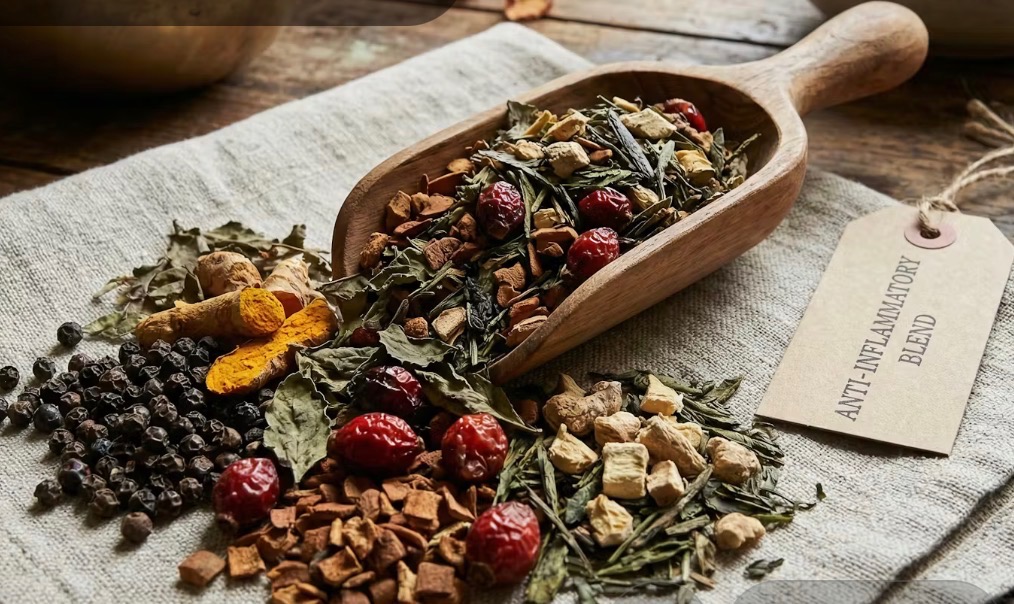
This tea has a bite, but also a pleasing spiced aroma with mild earthy flavors making it an enjoyable green tea.
Ingredients: Organic Black Pepper, Organic Turmeric, Organic Holy Basil, Organic Rosehips, Organic Cinnamon Chips, Organic Ginger Root, Organic Sencha (Green tea)
Instructions to Steep
- Add 1-2 teaspoons of tea to 8 oz of near-boiling temperature water
- Let the tea steep for 2-4 minutes
For best results, use filtered water (water can really affect the taste of the tea if it is not filtered)
Medium Caffeine content
Black Pepper: spicy, earthy flavor with a subtle aroma that awakens the senses. When you think of black pepper, the first thing that comes to mind is probably a kitchen spice used to enhance flavor. But did you know that this humble spice can be turned into a powerful, soothing tea with impressive health benefits? Black pepper tea has been used for centuries in Ayurvedic and traditional medicine to promote digestion, improve metabolism, and boost overall wellness. This spicy, aromatic tea is not just another beverage—it’s a natural remedy packed with antioxidants, vitamins, and minerals that can transform your health from the inside out.
Traditionally, black pepper tea has been consumed to relieve cough, cold, indigestion, and inflammation. In Ayurveda, it is believed to balance Kapha and Vata doshas, making it beneficial for respiratory health and digestion. Today, people around the world drink it not only for its medicinal properties but also for its energizing and cleansing effects. You can enjoy black pepper tea on its own or combine it with other ingredients like turmeric, ginger, honey, or lemon for enhanced flavor and benefits.
Piperine stimulates the secretion of digestive enzymes, improving the breakdown of food and preventing indigestion, bloating, and constipation.
Black pepper tea increases the bioavailability of nutrients like curcumin (from turmeric), selenium, and vitamin B12, helping your body absorb them more effectively.
The piperine in black pepper boosts metabolism and thermogenesis, encouraging your body to burn more calories and reduce fat accumulation. Apart from increasing metabolism, black pepper tea also suppresses appetite, reducing cravings and promoting portion control.
Its natural expectorant properties help clear mucus and phlegm, making it an excellent remedy for colds, sinus congestion, and sore throat.
Black pepper is rich in antioxidants and antibacterial compounds that strengthen your immune system and help your body fight infections.
Piperine has strong anti-inflammatory effects, which can help reduce joint pain, muscle soreness, and symptoms of arthritis.
Regular consumption of black pepper tea may help stabilize blood sugar and improve insulin sensitivity, which is beneficial for people with diabetes.
It acts as a natural detoxifier, helping to flush out toxins from the body and support liver health.
Black pepper tea helps open airways, reduce chest congestion, and improve breathing for those suffering from asthma or bronchitis.
Studies suggest that piperine can improve memory, cognitive function, and even protect against neurodegenerative diseases like Alzheimer’s.
It stimulates blood flow and ensures that oxygen and nutrients reach all parts of the body efficiently.
Turmeric: earthy, warm, and slightly peppery, with a touch of bitterness and a hint of spice. Turmeric is a flowering plant in the ginger family. Its scientific name is Curcuma longa. People have used the herbal spice known as turmeric for thousands of years to make tea from the plant’s rhizome stems, or its underground root system.
This same type of turmeric is also used in cooking, for health purposes, in spiritual practices, and more.
It’s also commonly used in the ancient Indian health system Ayurveda. Thus, you might see turmeric tea called by one of its traditional Indian names, such as haldi or manjal.
Researchers believe the most potent of those components is curcumin. Studies in humans have shown that curcumin has anti-inflammatory, antidiabetic, and antioxidant properties.
One teaspoon (3 grams) of dried turmeric — an amount you might use to make a cup of turmeric tea — also contains:
- Manganese: 26% of the Daily Value (DV)
- Iron: 9% of the DV
- Copper: 4% of the DV
Bioactive compounds are nutrients that promote health in humans. These include common vitamins and minerals, as well as lesser known compounds such as polyphenols and volatile oils.
Curcuminoids such as curcumin are the largest group of bioactive compounds found in turmeric tea, although it contains hundreds of others, including many volatile essential oils and multiple types of antioxidants.
Turmeric and curcumin may help keep your heart functioning properly in more ways than one.
Studies suggest that turmeric and curcumin supplements may lower blood pressure and levels of fat in the blood — both of which can be risk factors for heart disease when they exceed normal levels.
For example, one study found that taking turmeric for 12 weeks or longer significantly reduced systolic blood pressure, the first number in a blood pressure reading. This number represents how much pressure is placed on the arteries each time your heart beats.
A separate study observed that turmeric and curcumin reduced some blood fat levels, including LDL (bad) cholesterol and total triglycerides.
Heart disease remains the world’s leading cause of death. Turmeric tea may help by:
- Improving endothelial function (the lining of your blood vessels)
- Reducing inflammation and oxidation
- Potentially lowering total cholesterol and LDL (bad) cholesterol levels
Research suggests that curcumin may be as effective as exercise in improving endothelial function in postmenopausal women.
Curcumin crosses the blood-brain barrier and has shown potential in improving brain health by:
Increasing levels of brain-derived neurotrophic factor (BDNF), a growth hormone that functions in the brain
Clearing amyloid plaques, a key feature of Alzheimer’s disease
Reducing oxidative damage and inflammation in the brain
Regular consumption of turmeric tea may help maintain cognitive function as you age.
Scientists are also exploring how curcumin may be related to depression and mood disorders. One or even a few cups of turmeric tea won’t contain nearly the same amount of concentrated curcumin that participants consumed in these studies, but it’s possible turmeric tea might still have some effect on mood.
For many people around the world, a hot cup of tea is a warm, calming, and soothing ritual in its own right. For some, this alone might have mood-boosting effects.
Black pepper might sound like an odd pairing for tea, but when it comes to turmeric tea, it’s not as far-fetched as you might think.
Black pepper not only adds depth to turmeric’s spicy punch but also contains a nutrient called piperine that helps your body absorb significantly more curcumin from turmeric. Remember, your body doesn’t absorb curcumin very well, so this can help.
What’s more, curcumin is a fat-soluble nutrient, so pairing turmeric with fats like coconut oil or milk — such as in popular golden milk turmeric tea recipes — might also help you absorb more of the nutrient.
Chronic inflammation contributes to many common health conditions, including heart disease, cancer, and autoimmune disorders. Curcumin in turmeric tea works by blocking NF-kB.
This is a molecule that travels into cell nuclei and triggers genes related to inflammation. Studies suggest curcumin’s anti-inflammatory effects can be comparable to some anti-inflammatory drugs, but without the side effects.
Many arthritis patients report significant improvements in pain and function when consuming curcumin regularly. In rheumatoid arthritis patients, curcumin is more effective than anti-inflammatory drugs in some studies. For osteoarthritis, it may help reduce pain and improve physical function.
The liver is your body’s primary detoxification organ. Turmeric may enhance its function by:
- Increasing production of key detoxification enzymes
- Protecting against liver damage from toxins
- Supporting bile production and flow
Regular turmeric tea consumption may help maintain optimal liver function.
For those with diabetes or at risk of developing it, turmeric tea may:
- Improve insulin sensitivity
- Help stabilize blood glucose levels
- Reduce inflammation associated with diabetes
- Potentially helps prevent complications of diabetes
Some studies suggest curcumin could be a valuable addition to diabetes management protocols.
Turmeric tea may support healthy weight management by:
- Inhibiting the formation of fat tissue
- Reducing inflammation associated with obesity
- Improving metabolism
- Potentially regulating hunger hormones
While not a magic solution, it can be a helpful addition to a comprehensive weight management plan.
Holy Basil: peppery spice, minty freshness, and subtle clove-like sweetness, underscored by a slightly bitter undertone. This green leafy plant is also known as Ocimum sanctum L. and tulsi. Some people recommend different parts of the plant for treating different conditions.
All parts of the holy basil plant act as an adaptogen. An adaptogen is a natural substance that helps your body adapt to stress and promotes mental balance.
The concept of an adaptogen is a holistic approach. However, holy basil has pharmacological properties to help your mind cope with many types of stress.
The source of your stress can be:
- chemical
- physical
- infectious
- emotional
In the case of physical stress, holy basil may increase endurance in animals. According to a 2017 research review, animals who had holy basil leaf extracts and went through environment-induced stress scenarios showed:
- enhanced metabolism
- improved swimming time
- less tissue damage
- lower stress levels in loud environments
Human and animal studies saw reduced:
- stress
- sexual problems
- sleep problems
- forgetfulness
- exhaustion
According to a 2022 study, holy basil extract helped reduce stress and improved quality of sleep.
If you have prediabetes or type 2 diabetes, all parts of the holy basil plant may help reduce your blood sugar. According to a 2017 research review, some human studies have shown that holy basil can help prevent symptoms of diabetes.
Since holy basil targets metabolic stress, it may help with cholesterol levels.
A 2018 study found that holy basil was able to decrease total, low-density lipoprotein (LDL), and very low-density lipoprotein (VLDL) cholesterol in older adults with metabolic disease.
According to a 2017 research review, holy basil may help alleviate inflammation.
Rosehip: for a floral boost. Contain high levels of polyphenols, carotenoids, and vitamins C and E, all of which have powerful antioxidant properties. In a study on the antioxidant contents of six fruit extracts, rosehip was found to have the highest antioxidant capacity.
While the exact amount varies by plant, rose hips have been shown to have among the highest vitamin C content of all fruits and vegetables. In addition to vitamin C, rose hips contain high levels of polyphenols and vitamins A and E, all of which help strengthen and protect your immune system.
Studies suggest a relationship between vitamin C intake and heart disease risk. Thirteen studies found that supplementing with at least 500 mg of vitamin C per day was associated with a significant decrease in LDL (bad) cholesterol and blood triglycerides, two risk factors for heart disease.
Additionally, observational studies have linked insufficient vitamin C intake to an increased risk of dying from heart disease.
Rose hips are also high in flavonoids. These antioxidants have been shown to reduce blood pressure in people with elevated levels and improve blood flow to the heart.
A specific 6-week study in adults with obesity found that those who consumed a drink containing 40 grams of rosehip powder per day had significantly improved blood pressure and LDL (bad) cholesterol levels, compared with the control group
Studies show that rose hips from the Rosa canina plant are high in an antioxidant called tiliroside, which may have fat-burning properties.
In an 8-week study in subjects prone to obesity, those who ate a high-fat diet containing 1% rosehip extract gained significantly less body weight and stomach fat than those that did not receive the supplement.
Rosehip tea is high in compounds with anti-inflammatory effects, including polyphenols and galactolipids. Galactolipids are the main types of fat in cell membranes. Recently, they have been studied for their strong anti-inflammatory properties and potential to reduce joint pain.
In a review of three studies, supplementing with rosehip significantly reduced joint pain in people with osteoarthritis. Furthermore, those receiving rosehip were twice as likely to report improved pain levels, compared with the placebo group.
Another 4-month study in 100 people with osteoarthritis found that those who supplemented with 5 grams of rosehip extract daily experienced significantly less pain and increased hip joint mobility, compared with the control group.
Collagen is the most abundant protein in your body and responsible for providing elasticity to your skin.
Vitamin C has been shown to promote collagen synthesis and protect skin cells against sun damage, both of which can help keep your skin looking tighter and more youthful. As rosehip tea is high in this vitamin, drinking it could benefit your skin
An 8-week study in 34 people showed that those who consumed 3 grams of rosehip powder per day experienced fewer crow’s feet wrinkles, as well as improved skin moisture and elasticity
Cinnamon Chips: boasts a warm, inviting aroma and a robust, spicy flavor profile. Cinnamon tea is full of compounds that may offer various heath benefits, such as improving heart health, alleviating menstrual cramps, and reducing inflammation and blood sugar levels. Cinnamon tea is an interesting beverage that may offer several health benefits.
It’s made from the inner bark of the cinnamon tree, which curls into rolls while drying, forming the recognizable cinnamon sticks. These sticks are either steeped in boiling water, or ground into a powder that can be used to make the tea.
Cinnamon tea contains lots of antioxidants, which are beneficial compounds that help keep you healthy.
Antioxidants fight off oxidation caused by free radicals, which are molecules that damage your cells and contribute to diseases like diabetes, cancer, and heart disease.
Cinnamon is particularly rich in polyphenol antioxidants. A study comparing the antioxidant activity of 26 spices reported that cinnamon is only outranked by cloves and oregano.
In addition, research shows that cinnamon tea can increase total antioxidant capacity (TAC), which is a measure of the amount of free radicals your body can fight off
compounds in cinnamon may reduce markers of inflammation. This may be immensely beneficial, given that inflammation is thought to be at the root of many chronic diseases, including heart disease.
Studies also report that cinnamon may reduce blood pressure, as well as triglyceride and LDL (bad) cholesterol levels in some individuals.
What’s more, cinnamon may increase levels of HDL (good) cholesterol, which helps improve your heart health by removing excess cholesterol from your blood vessels.
A review of 10 studies found that consuming as little as 120 mg of cinnamon — less than a 1/10 teaspoon — each day may be sufficient to help you reap these benefits.
Cassia cinnamon, in particular, contains high amounts of natural coumarins, a group of compounds that helps prevent the narrowing of blood vessels and offers protection against blood clots.
Cinnamon may provide powerful antidiabetic effects by lowering blood sugar levels.
This spice appears to act in a manner similar to that of insulin, the hormone responsible for shuttling sugar out of your bloodstream and into your tissues.
What’s more, compounds found in cinnamon may further contribute to lower blood sugar levels by lowering insulin resistance, thereby increasing insulin’s effectiveness.
Cinnamon may also help slow the breakdown of carbs in your gut, preventing your blood sugar levels from spiking after meals
Cinnamon tea is often touted to help with weight loss, and several studies have linked cinnamon intake to fat loss or reductions in waist circumference.
However, few of these studies have properly controlled calorie intake, and most have failed to distinguish between fat loss and muscle loss. This makes it difficult to attribute the weight loss effects to cinnamon alone.
The only study that controlled these factors reported that participants lost 0.7% of fat mass and gained 1.1% of muscle mass after they took the equivalent of 5 teaspoons (10 grams) of cinnamon powder per day for 12 weeks
This is especially true for Cassia cinnamon, which contains up to 63 times more coumarin than Ceylon cinnamon
Cinnamon tea may help make some menstrual symptoms, such as premenstrual syndrome (PMS) and dysmenorrhea, more bearable.
One well-controlled study provided women with 3 grams of cinnamon or a placebo each day for the first 3 days of their menstrual cycle. The women in the cinnamon group experienced significantly less menstrual pain than those given the placebo.
In another study, women were given 1.5 grams of cinnamon, a pain-relieving drug, or a placebo in the first 3 days of their menstrual cycle.
The women in the cinnamon group reported less menstrual pain than those given the placebo. However, the cinnamon treatment wasn’t as effective for pain relief as the pain-relieving drug
Ginger: for a spicy layer of vitality. Gingerols in ginger can help relieve nausea caused by pregnancy, chemotherapy, or surgery.
Research suggests that consuming ginger in daily doses of 2–6 grams may help protect against heart disease by lowering blood pressure, helping prevent heart attacks, helping prevent blood clots, relieving heartburn, lowering cholesterol, improving blood circulation
A lot of research shows that consuming ginger has beneficial effects on weight and blood sugar management by increasing thermogenesis — the production of heat by your body — which helps burn fat, increasing the breakdown of fats for energy, inhibiting fat storage, inhibiting fat absorption, helping control appetite.
In addition, ginger may help improve blood sugar control in people with type 2 diabetes and obesity by reducing fasting insulin levels, hemoglobin A1C, and triglycerides.
People have used ginger to treat inflammation for centuries, and now science backs up this practice for certain uses.
Studies show that the compounds in ginger called gingerol and shogaol help reduce the production of pro-inflammatory markers. People have particularly studied ginger, along with other items like turmeric and black pepper, for their effect in relieving pain from osteoarthritis of the knee.
Studies have even shown that ginger derivatives may help prevent cancer, mostly due to its gingerol and shogaol content. Test-tube studies have shown that gingerol and shogaol may contribute to ginger’s cancer-fighting properties by causing cell death and preventing cancer cell multiplication and growth.
Other test-tube studies have shown that ginger may affect several different types of cancer cells, including pancreatic, colon, colorectal, ovarian, prostate, and lung cancers.
Scientists have studied ginger’s protective effects against oxidative stress and inflammation — two factors that play a decisive role in the development of brain degenerative diseases, such as Alzheimer’s disease.
Animal studies show that gingerol and shogaol offer protection against age-associated decline of brain functions due to their antioxidant properties.
Test-tube studies also suggest that ginger extract may increase cell survival against beta-amyloid — a protein closely related to Alzheimer’s disease that can induce toxicity in brain cells.
Sencha: fresh, grassy flavor with a light sweetness and slight bitterness
. Sencha tea is known for its potential health benefits. These include its ability to fight chronic diseases, aid in weight loss, protect the immune system, increase energy, and stimulate cognitive activity.
Sencha, being a green tea, better retains its nutrients and active ingredients. The health benefits derived from all teas, including sencha tea, may be in large part due to antioxidants, catechins, vitamin C, beta-carotene, folic acid, saponins, potassium, calcium, and phosphorus found in these nutrient-dense leaves. It also contains caffeine, which is a major contributor to many of the health benefits.
Caffeinated beverages, of which tea is one, are thought to be very good for stimulating metabolism, which may improve passive fat-burning in the body. Sencha tea may not have as much caffeine as a cup of coffee, but it does have more caffeine than the majority of tea varieties out there. It can be also an important beverage to incorporate in many weight-loss diets.
The rich blend of vitamins, minerals, caffeine, and antioxidants found in this green tea variety may make it very effective as an energy-booster. If you want to increase productivity with a clear mind and a lower risk of caffeine crash, sencha tea might be an excellent choice.
Studies have shown that, despite having a significant amount of caffeine, green tea may help lower blood pressure and prevent excess strain on the heart. This can be beneficial for those at high risk of hypertension and other cardiovascular diseases.
In addition to lowering the blood pressure, sencha tea is thought to reduce LDL or bad cholesterol levels, as shown in some animal models. It is thought that the catechins in this tea may affect lipid metabolism by decreasing the absorption of fat, and thus, of triglycerides and cholesterol. This, in turn, may boost metabolism, aid in weight loss, and protect from several cardiovascular complications.
Sencha tea has long been considered a brain stimulant, and the antioxidants found in this tea may stimulate neural pathways and prevent oxidative stress in the brain, which results in the deposition of plaque. This tea may help keep your mind sharp and focused, even as you age, and lowers your risk of developing cognitive disorders.
High levels of vitamin C and a host of antioxidants make this tea a perfect immune system supporter. Tea is thought to stimulate the production of white blood cells, which may fight off infections, while also speeding healing if you are suffering from a common cold or flu.

Reviews
There are no reviews yet.