Description
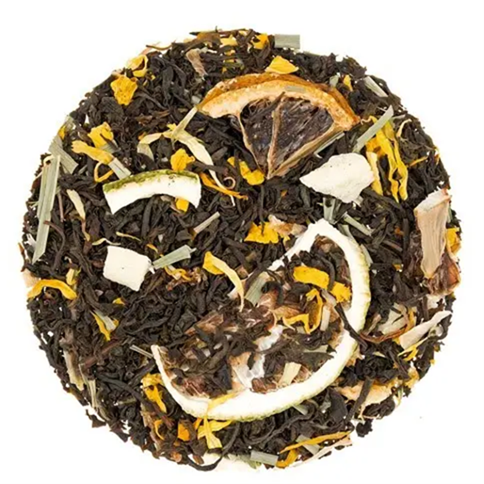
Ingredients: Black tea, Lemon, Currants, Lemongrass, Tangerine, Moringa + Blackberry leaves
Enjoy bright and sweet lemon notes with decadent hints of malty vanilla flavor.
Black tea: deep, robust flavor that is full of antioxidants and health benefits. Consuming them can help neutralize free radicals and decrease cell damage in the body, ultimately decreasing the risk of chronic disease.
Polyphenols are a type of antioxidant found in certain foods and beverages, including black tea. Groups of polyphenols, including theaflavins and thearubigins, are the main sources of antioxidants in black tea.
Studies have examined the role of theaflavins and thearubigins in black tea and the risk of diabetes, obesity, and elevated cholesterol. Results showed that theaflavins and thearubigins reduced cholesterol and blood sugar levels.
Black tea contains another group of antioxidants called flavonoids. Consuming flavonoids on a regular basis may help manage or reduce the likelihood of conditions such as: Cardiovascular disease, obesity, type 2 diabetes, elevated triglyceride levels, high cholesterol, high blood pressure
A 2020 review of studies found that, for every cup of tea a person consumed daily, there was:
- a 4% lower risk of death from heart disease
- a 2% lower risk of heart attack and other cardiovascular events
- a 4% lower risk of stroke
- a 1.5% lower risk of death from all causes
A 2017 prospective study suggests that people who drank tea daily had an 8% reduced risk of heart disease and a 10% reduced risk of major cardiac events, such as heart attack, compared with those who had not drunk tea in the previous 12 months.
While you may need to take other steps to reduce your risk of cardiovascular problems, you may also wish to incorporate black tea into your diet to potentially reduce the likelihood.
Polyphenols, which are present in black tea, may help maintain a healthy gut by promoting the growth of good bacteria and inhibiting the growth of bad bacteria. Some studies have suggested that the type of bacteria in your gut may play an important role in reducing the risk of certain health conditions, such as:
- inflammatory bowel disease
- type 2 diabetes
- cardiovascular disease
- obesity
- cancer
A 2023 study found that drinking three cups of tea daily increased the amount of healthy gut bacteria, including types that play an important role in immunity.
A 2020 review looked at the effects of drinking tea on blood pressure in people with hypertension, or high blood pressure. The review found that regular tea intake helped lower systolic blood pressure by 4.81 millimeters of mercury (mm Hg) and diastolic blood pressure by 1.98 mm Hg in people with hypertension.
Further, those who drank tea regularly for longer than 3 months experienced even greater decreases in both systolic and diastolic blood pressure.
Another 2021 review looking at the effects of black tea on blood pressure found that drinking black tea significantly reduced both systolic and diastolic blood pressure compared with the control. The effects were more pronounced for people who drank black tea for longer than 7 days, as well as in men.
It’s best to contact a doctor for treatment advice if you have concerns about high blood pressure. The doctor can advise on whether they recommend increasing your intake of black tea, as well as recommending any medical treatments for lowering high blood pressure.
Some studies have found that drinking black tea may also help reduce the risk of stroke.
A study of 365,682 people looked at the association between drinking tea or coffee and the risk of stroke, dementia, and post-stroke dementia.
After following participants for over 11 years, the study found that those who drank at least two cups of tea had a lower risk of ischemic stroke compared with those who did not drink tea.
Another study used genetic predictors associated with tea consumption to determine the association between drinking tea and stroke risk. The study found that if you’re genetically predisposed to drinking more tea per day, you also have a lower risk of a certain type of stroke.
Research suggests that drinking black tea may help lower your blood sugar following a meal or snack, also known as postprandial glucose.
A small 2017 study looked at the effect of drinking black tea on blood sugar levels following consumption of a high sugar beverage.
Twenty-four people, both with and without prediabetes, consumed a high-sugar beverage along with either a low or high dose of black tea or a placebo. Those who drank the low or high dose had significantly lower blood sugar after eating compared with those who drank a placebo.
While more research is necessary, the polyphenols in black tea may help slow the development of certain types of cancer and promote cancer cell death.
A 2020 review of studies looking at the effects of tea on cancer risk concluded that drinking tea is associated with a lower risk of oral cancer.
The authors state that tea may also be associated with a lower risk of other types of cancers as well, including cancers of the gastrointestinal tract, breasts, ovaries, lungs, and thyroid. However, more well-designed studies are necessary.
Black tea contains caffeine and an amino acid called L-theanine, which may help improve alertness and focus. L-theanine increases alpha activity in the brain, resulting in relaxation and better focus. Studies have found that taking L-theanine as a supplement may help improve sleep quality and mental health.
A 2020 study found that regularly drinking tea helped reduce the likelihood of cognitive impairment in middle-aged and older adults. However, the study also noted that green tea may be more effective at protecting against cognitive impairment than other types of tea.
Lemon: The acidity of the lemon cuts through the bitterness of the tea, creating a balanced and refreshing beverage. Lemon is also a source of antioxidants, including vitamin C and flavonoids. Vitamin C is a well-known immune booster and also contributes to collagen production for healthy skin. Flavonoids, found in both lemon and tea, have been linked to reduced risk of heart disease and certain cancers.
Adding lemon to tea can actually enhance the absorption of some of these beneficial antioxidants. Studies have shown that the acidity of lemon juice can make polyphenols in tea more bioavailable, meaning the body can absorb and utilize them more effectively.
Black currants, also known as cassis: Black currant added to tea has a robust and strong fruity flavor that is very reminiscent of berries. There are also slightly sweet and tart flavored notes that really add to the complexity of the drink.
Black currants are rich in antioxidants and contain several nutrients, such as: polyphenolic substances, anthocyanin, gamma-linolenic acid (GLA).
Blackcurrants contain many vitamins, such as:
- A (retinoic acid)
- B5 (pantothenic acid)
- B6 (pyridoxine)
- B1 (thiamine)
- E (tocopherol)
The most significant is vitamin C. In fact, one cup of blackcurrants carries 203 milligrams (mg) of vitamin C, which is almost three times more than an orange.
Vitamin C has many benefits, such as protecting our cells, helping to keep our skin healthy, and promoting wound healing.
In addition to vitamin C, blackcurrants have plenty of antioxidants like anthocyanins. These may help strengthen your immune system, soothe sore throats, and ease flu symptoms.
One study showed that blackcurrant supplements may help enhance exercise performance and recovery in active individuals.
Several studies suggest that blackcurrants have an anti-inflammatory response in your body.
Blackcurrant seed oil contains GLA, a type of omega-6 fatty acid that’s been said to help ease inflammation in the body. The high GLA and anthocyanin content may help reduce joint or muscle:
- pain
- stiffness
- soreness
- damage
Research shows that GLA and linoleic acid, which are found in black currants, may be promising for treating dry eye disease and improving overall signs and symptoms of the condition.
In particular, people who do computer work every day may benefit from blackcurrant supplementation or drinking a few glasses of tea each day.
Lemongrass: subtle and sweet, with a hint of tropical fruitiness. Lemongrass, also called citronella, is a tall, stalky plant with a fresh, lemony aroma and citrus flavor. It’s a common ingredient in Thai cooking.
According to a 2021 review of studies, lemongrass contains several antioxidants, which can help scavenge free radicals in your body that may cause disease.
Antioxidants of note are:
- chlorogenic acid
- isoorientin
- swertiajaponin
These antioxidants may help prevent the dysfunction of cells inside your coronary arteries.
Inflammation is thought to play a role in many conditions, including heart disease and stroke.
Research from 2024 suggests that lemongrass has anti-inflammatory benefits. Its compounds may help stop the release of certain inflammation-causing markers in your body.
A 2022 study also notes that the analgesic and anti-inflammatory effects of lemongrass are widely known and used in folk medicine.
The citral in lemongrass is also thought to have potent anticancer abilities against some cancer cell lines.
Several components of lemongrass may help fight cancer. This occurs either by directly causing cell death or by boosting the immune system so that the body is better able to fight off cancer on its own. Lemongrass tea is sometimes used as an adjuvant therapy during chemotherapy and radiation. It should only be used in this situation, under the guidance of an oncologist.
A cup of lemongrass tea is a go-to alternative remedy for upset stomach, stomach cramping, and other digestive problems. A 2012 study on rodents showed that lemongrass may also be effective against gastric ulcers.
The study found that the essential oil of lemongrass leaves can help protect the stomach lining against damage from aspirin and alcohol. Regular aspirin use is a common cause of gastric ulcers.
In the world of natural health, lemongrass is a known diuretic. A diuretic makes you urinate more often, ridding your body of excess fluid and sodium. Diuretics are often prescribed if you have:
- heart failure
- liver failure
- edema
In a 2011 study, 72 male volunteers were given either lemongrass tea or green tea to drink. Those who drank the lemongrass tea experienced a moderate drop in systolic blood pressure. They also had a significantly lower heart rate.
High cholesterol can increase your risk of heart attack or stroke.
A 2022 in vitro study found that lemongrass had the ability to prevent cholesterol absorption in the gut. However, researchers cautioned that additional studies are needed to confirm these results.
In addition, a 2018 animal study found that lemongrass water extract significantly decreased total cholesterol in rats.
Lemongrass tea is used as a detox tea to kick-start your metabolism and help you lose weight. If you drink enough of it, you’re likely to drop some pounds.
Lemongrass tea is used as a natural remedy for menstrual cramps, bloating, and hot flashes.
A 2019 study found that lemongrass has galactagogue properties, which promote the formation of milk in breasts. Researchers also found that lemongrass is effective in stimulating menstrual flow, and it helps soothe menstrual cramps and discomfort.
Tangerine: dances between the familiar and the profound: honeyed citrus, dried apricot, a hint of cedar, and an earthy sweetness akin to roasted chestnut.
Tangerines are also one of the most concentrated sources of beta-cryptoxanthin, an antioxidant that is converted to vitamin A in the body and is behind tangerines’ and other fruits’ orange color.
Additionally, tangerines provide potassium and B complex vitamins, namely B1, B6, and B9, or thiamine, pyridoxine, and folate, respectively
Antioxidants protect your body by neutralizing the damaging effects of oxidative stress, which is caused by the accumulation of free radicals. These harmful molecules are involved in the development of chronic conditions such as heart disease, arthritis, and cancer.
Tangerines — including their peels — are rich sources of antioxidants such as vitamin C and beta-cryptoxanthin and flavonoids such as naringin, hesperidin, tangeretin, and nobiletin.
Vitamin C’s antioxidant capacity is known for its beneficial effects on skin and heart health, as well as for its cancer-fighting properties.
Research has linked flavonoids with numerous health benefits, including brain-protective effects and reduced risk of chronic conditions.
Vitamin C in tangerines may help protect your immune system from viruses and bacteria by acting upon T cells, a type of white blood cells that protect your body.
Research shows that the vitamin influences T cells’ development and function and blocks pathways that lead to their death. Therefore, it helps you maintain a healthy level of these cells to fight off infections
In addition, vitamin C enhances phagocytes — immune cells that ingest bacteria and other harmful compounds — and microbial killing, which also strengthens your immune response.
Antioxidants in tangerines, such as vitamin C and nobiletin, may protect against chronic brain disorders such as schizophrenia, Alzheimer’s disease, and Parkinson’s disease.
For instance, research has linked an increased free radical count with the development of schizophrenia. Vitamin C’s antioxidant capacity may protect against free radical-induced damage in the brain.
As you age, the amount of collagen in your body decreases. However, vitamin C promotes collagen synthesis, which improves wound healing and reduces signs of aging, such as wrinkling
Antioxidants in tangerines, such as vitamin C, tangeretin, and nobiletin, may promote heart health.
Human and animal studies show that vitamin C may reduce risk factors for heart disease by reducing blood pressure and platelet aggregation, improving blood vessel function, and lowering blood triglyceride and LDL (bad) cholesterol levels.
Similarly, test-tube studies suggest that tangeretin and nobiletin may help lower total cholesterol and triglyceride levels, which reduces the risk of atherosclerosis — a narrowing of the arteries caused by the buildup of plaque.
Moringa: this tea has a unique taste that’s often described as earthy, slightly bitter, and somewhat reminiscent of spinach or green tea. Some people may find the taste mild and pleasant, while others may require time to adjust to its distinct flavor.
Moringa tea has quickly become one of the most talked-about herbal beverages in the wellness world. Whether you are trying to boost your energy naturally, improve digestion, or support immunity, moringa tea often comes up as a powerful, nutrient-rich option.
Moringa oleifera — often called the “drumstick tree,” “tree of life,” or even the “miracle tree,” has earned a reputation as one of the most nutrient-dense plants in the world. Packed with essential amino acids, fiber, vitamins, minerals, and phytonutrients, it’s a plant that offers both nutrition and versatility.
Moringa leaves are one of the most nutrient-dense greens on the planet, packed with protein, essential amino acids, vitamins and antioxidants. That includes key nutrients like calcium, iron, B vitamins, potassium, magnesium and vitamin C. Overall, moringa is rich in macro- and micronutrients and other bioactive compounds which are important for the normal functioning of the body and prevention of many diseases.
Chronic inflammation can contribute to health issues like heart disease. Moringa contains inflammation-fighting nutrients including phytonutrients, antioxidants and antibacterial compounds. Together, these powerful compounds fight inflammation in the body by targeting free radicals (compounds that damage cells) and as a result reduces oxidative stress, inflammation and fights disease. Two compounds of note are quercetin, a potent antioxidant and anti-inflammatory agent, and isothiocyanates, which aid in detoxification and have anti-inflammatory effects. One study suggests that these specific compounds found in moringa may help alleviate low-grade inflammation associated with chronic diseases.
Did you know that stress can negatively impact sexual function? It can throw libido out of whack by increasing cortisol and decreasing the feel-good hormone, dopamine. Sexual function is a very complex process that involves the brain, hormones, emotions, nerves and muscles, which are very sensitive to stress. Many herbs known to be considered aphrodisiacs have long been used to enhance libido — and moringa might be one of them. Studies found that moringa may boost testosterone and reduce cortisol, thereby supporting libido.
If you’re looking for an energy boost that is caffeine-free, you might want to consider moringa in your morning routine. It’s rich in vitamins and minerals, especially iron and vitamins C and D, nutrients involved in energy-yielding metabolism. Moringa also contains B vitamins which help sustain long-term energy and supports healthy metabolic processes. In fact, one investigation found that moringa helps regulate mitochondria (a part of many of our cells that are involved in energy production) by regulating calcium levels and bolstering the mitochondrial membrane. And the great news is you won’t be left with energy crashes, jitters or anxious feelings, which are common side effects of caffeinated beverages.
Moringa may boost cognition given its amino acid and vitamin profile. It contains tryptophan, a precursor to serotonin, aka the happiness hormone. This feel-good hormone works in the reward centers of your brain and improves learning, motor function and memory. You’ll find both vitamins C and E in moringa, potent antioxidants that help reduce oxidative damage to the brain, a major player in the development of some cognitive disorders.
Moringa is believed to aid in blood sugar balance thanks to its chlorogenic acid and isothiocyanates. Chlorogenic acid can potentially control blood sugar levels by regulating the cells uptake or release of glucose (sugar) following a meal. Studies have supported the use of moringa to aid in blood sugar balance with positive effects on fasting blood sugar levels, insulin levels, HbA1c and overall blood glucose control in those that consume moringa.”
If you struggle with high blood pressure, early research including a small study suggests that adding moringa to your diet regularly might make a difference, especially when your routine includes exercise and a nutrient-rich diet. Moringa powder has anti-hypertensive properties because it contains quercetin. This antioxidant decreases oxidative stress on the heart and helps to stabilize blood pressure management systems in the body. If you are taking blood pressure medications, you’ll want to speak to your healthcare provider before considering moringa as it may result in your blood pressure becoming too low.
According to one study, a high-fat diet combined with daily moringa leaf for 30 days resulted in a 14% drop in serum cholesterol, with smaller reductions in liver and kidney cholesterol. While these findings suggest moringa has hypocholesterolemic (cholesterol-lowering) properties, more research is needed.
Blackberry Leaves: When you think of blackberries, chances are you picture their sweet, juicy fruit that adds a burst of flavor to desserts, smoothies, or even snacks. But did you know that the leaves of the blackberry plant are just as impressive for your health as the berries themselves? While blackberry fruits often steal the spotlight, the humble leaves deserve their moment too. Packed with nutrients and medicinal properties, blackberry leaves have been used for centuries in herbal remedies—and modern science is now backing up many of these traditional uses.
Blackberry leaves are loaded with antioxidants, which are compounds that help your body fight free radicals. Free radicals are unstable molecules that can damage cells and lead to inflammation or diseases like cancer, diabetes, and heart disease. Antioxidants neutralize these harmful molecules, protecting your body from damage.
One specific type of antioxidant found in blackberry leaves is tannins, along with flavonoids and Vitamin C. These substances play a powerful role in strengthening your immune system and keeping your body healthy on a cellular level.
For centuries, blackberry leaves have been used to help calm digestive problems such as diarrhea, bloating, or upset stomach. The tannins in the leaves act as an astringent, which helps tighten and protect tissues in your gut. This effect can reduce irritation and smooth out digestive discomfort.
In years past, blackberry leaf infusions were even used to combat cases of mild food poisoning because of their ability to soothe the stomach lining. Today, many herbalists recommend blackberry leaf tea as a gentle and natural way to support gut health.
If you suffer from inflammation, whether it’s due to arthritis, injury, or a chronic condition, blackberry leaves could bring some relief. Thanks to their high content of tannins and flavonoids, blackberry leaves are known for their anti-inflammatory effects. Studies have shown that extracts from these leaves can help reduce swelling and calm irritated tissues.
This makes blackberry leaves a great option for anyone looking for a natural remedy to ease sore joints or muscles.
Blackberry leaves contain powerful compounds that may help keep your skin healthy and glowing. Their Vitamin C content helps promote collagen production, keeping your skin firm and smooth, while their antioxidant properties protect skin cells from damage.
Did you know blackberry leaves can also help you take care of your teeth and gums? Historically, these leaves were used as a natural remedy for oral problems like bleeding gums, sores, and bad breath. The tannins in blackberry leaves are believed to tone up gum tissue, while their antibacterial effects help keep harmful bacteria in check.
Rinsing your mouth with blackberry leaf tea can be an effective way to promote oral hygiene and soothe minor issues like gum sensitivity or discomfort.
Blackberry leaves are a natural ally for your immune system. They’re rich in Vitamin C, which is a key nutrient for fighting off sickness and boosting your defenses. On top of that, the antioxidants in the leaves help reduce oxidative stress, a condition that weakens the immune system over time.
Drinking blackberry leaf tea during cold and flu season is a great way to strengthen your body against common illnesses while enjoying a soothing, earthy flavor.


Reviews
There are no reviews yet.