Morelliville Detox Tea
$10.00
Description
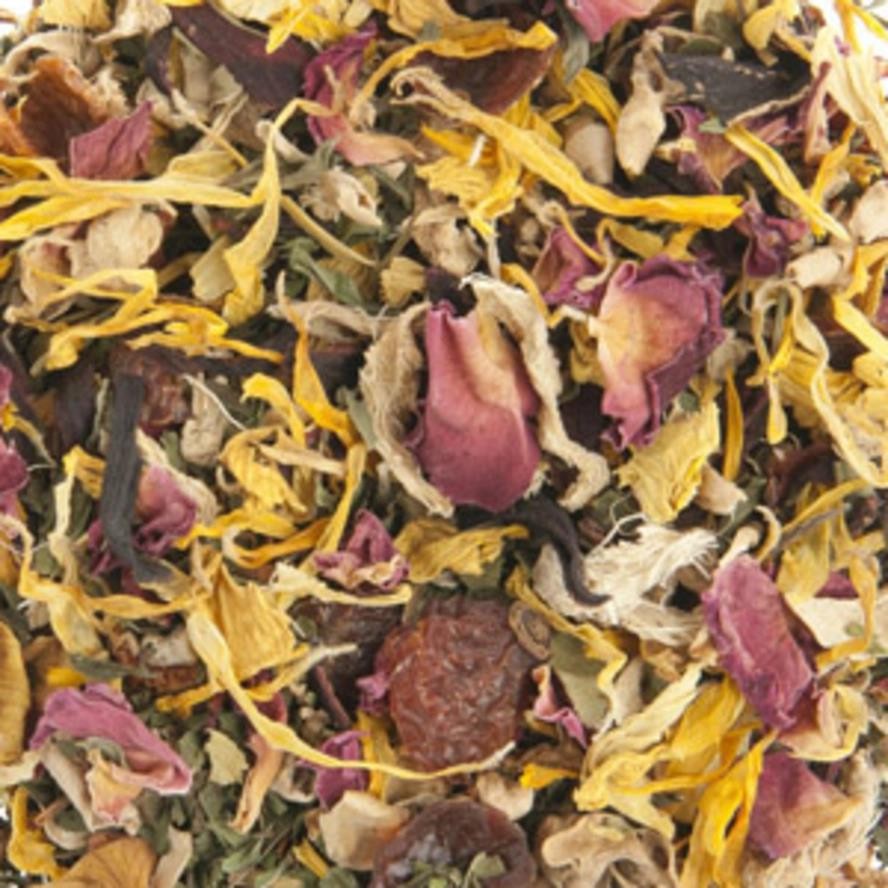
Ingredients: Peppermint leaves, Rosehip pieces, Spearmint leaves, Ginger, Rooibos, Hibiscus, Rosehip, Calendula, Osmanthus petals.
Light, tart, fruity and minty opens your palate. The floral and fruit follow and finishes with piquant ginger. Delicious!
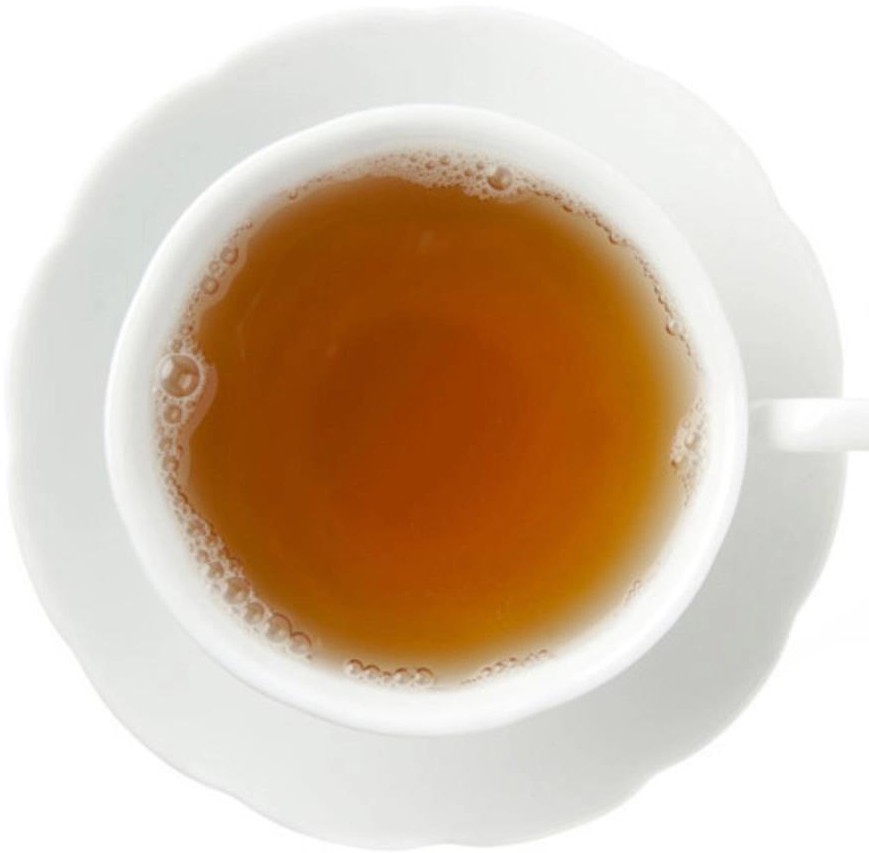
Instructions: Hot Tea: Put 1 slightly heaping tsp of loose-leaf tea for each 7-9oz of water. Pour freshly boiled water over tea. Water should be over 195 degrees / Steep 3-7 minutes
Iced Tea: Put 1-2 slightly heaping teaspoons of loose-leaf into a teapot. Pour freshly boiled water over 195 degrees. Steep 5min. Pour over the strained tea into cup and add ice to taste.
Peppermint & Spearmint: for their relaxing qualities, comfort the digestive system and may ease pain. It also prevents smooth muscles from contracting, which could relieve spasms in your gut people with IBS, peppermint oil capsules reduced IBS symptoms by 40% after 4 weeks
Peppermint has antibacterial, antiviral, and anti-inflammatory properties. Because of this, peppermint tea may alleviate clogged sinuses due to infections, the common cold, and allergies.
Research has demonstrated that natural compounds in peppermint may have beneficial effects on energy and focus.
Some studies have reported that for females with painful periods, peppermint was found to be as effective as a non-steroidal anti-inflammatory drug in reducing the intensity and duration of pain.
Taking peppermint resulted in reduced appetite compared to not taking peppermint in several studies.
Peppermint contains rosmarinic acid, a plant compound found in rosemary and plants in the mint family. Rosmarinic acid is linked to reduced symptoms of allergic reactions, such as runny nose, itchy eyes, and asthma
Ginger: for a spicy layer of vitality. Gingerols in ginger can help relieve nausea caused by pregnancy, chemotherapy, or surgery.
Research suggests that consuming ginger in daily doses of 2–6 grams may help protect against heart disease by lowering blood pressure, helping prevent heart attacks, helping prevent blood clots, relieving heartburn, lowering cholesterol, improving blood circulation
A lot of research shows that consuming ginger has beneficial effects on weight and blood sugar management by increasing thermogenesis — the production of heat by your body — which helps burn fat, increasing the breakdown of fats for energy, inhibiting fat storage, inhibiting fat absorption, helping control appetite.
In addition, ginger may help improve blood sugar control in people with type 2 diabetes and obesity by reducing fasting insulin levels, hemoglobin A1C, and triglycerides.
People have used ginger to treat inflammation for centuries, and now science backs up this practice for certain uses.
Studies show that the compounds in ginger called gingerol and shogaol help reduce the production of pro-inflammatory markers. People have particularly studied ginger, along with other items like turmeric and black pepper, for their effect in relieving pain from osteoarthritis of the knee.
Studies have even shown that ginger derivatives may help prevent cancer, mostly due to its gingerol and shogaol content. Test-tube studies have shown that gingerol and shogaol may contribute to ginger’s cancer-fighting properties by causing cell death and preventing cancer cell multiplication and growth.
Other test-tube studies have shown that ginger may affect several different types of cancer cells, including pancreatic, colon, colorectal, ovarian, prostate, and lung cancers.
Scientists have studied ginger’s protective effects against oxidative stress and inflammation — two factors that play a decisive role in the development of brain degenerative diseases, such as Alzheimer’s disease.
Animal studies show that gingerol and shogaol offer protection against age-associated decline of brain functions due to their antioxidant properties.
Test-tube studies also suggest that ginger extract may increase cell survival against beta-amyloid — a protein closely related to Alzheimer’s disease that can induce toxicity in brain cells.
Osmanthus & Hibiscus: for a calming aroma, Osmanthus flowers reduce oxidative stress. Osmanthus tea has a mild soothing effect, so it helps relax the mind, as well as improve brain function.
According to another study published in the journal Evidence-Based Complementary and Alternative Medicine, Osmanthus reduces phlegm and stasis in the airways. Stasis is the slowdown or stoppage in the flow of blood and other body fluids.
Osmanthus flower tea helps your body get rid of toxins present in the kidneys and liver, and makes you feel fresh and energized. In Chinese medicine, it is used as a strong cleansing agent. It is helpful in treating issues related to the kidneys, liver, and the endocrine system.
The fragrance of Osmanthus decreases the activity of appetite-stimulating brain chemicals. It also increases the activity of appetite-suppressing brain chemicals. Therefore, it may help curb binge eating and aid weight loss.
Osmanthus flowers have vitamin B3 in the form of niacinamide. This vitamin helps your body convert carbohydrates into energy. According to the University of Maryland Medical Center, niacinamide helps protect insulin-producing cells in type-1 diabetics.
Hibiscus is rich in powerful antioxidants. Antioxidants are molecules that help protect against compounds called free radicals, which can damage your cells.
One of the most impressive and well-known benefits of hibiscus tea is that it may help lower blood pressure.
Over time, high blood pressure can place extra strain on the heart and cause it to weaken. High blood pressure is also associated with an increased risk of heart disease.
Several studies have found that hibiscus tea may lower both systolic and diastolic blood pressure.
In addition to lowering blood pressure, some studies have found that hibiscus tea may help improve blood fat levels, which can be another risk factor for heart disease
In several studies those who drank hibiscus tea had increased levels of HDL (good) cholesterol and decreased levels of total cholesterol, LDL (bad) cholesterol, and triglycerides. However, it does not seem to have an effect on total cholesterol.
Your liver has several functions — such as producing proteins, secreting bile, and breaking down fat — that are essential to your overall health. Interestingly, studies have shown that hibiscus may promote liver health and help keep your liver working efficiently.
In several studies people who were overweight found that taking hibiscus for 12 weeks improved liver steatosis. This condition is characterized by the accumulation of fat in the liver, which can lead to liver failure.
Numerous studies suggest that hibiscus tea may be associated with weight loss and could help protect against obesity.
In one well known study, participants who were overweight consumed either hibiscus or a placebo. After 12 weeks, those who had taken hibiscus had reductions in body weight, body fat, body mass index, and waist-to-hip ratio
Hibiscus extract and its components have also been shown to inhibit the growth of many types of cancer cells in test-tube studies, including breast, mouth, plasma cell cancers, stomach, prostate, and skin cancer.
Rooibos: for its vitamin-rich goodness. Rooibos also has lower tannin levels than regular black or green tea. Tannins, natural compounds present in green and black tea, interfere with the absorption of certain nutrients, such as iron. If you tend to be iron deficient, then Rooibos tea is probably your best option.
Rooibos is associated with health benefits due to its high levels of health-promoting antioxidants, which include aspalathin and quercetin.
A 2021 medical review found that rooibos tea may have beneficial effects on inflammation by preventing the growth of angiotensin converting enzymes (ACEs).
ACE indirectly increases blood pressure by causing your blood vessels to contract, which can lead to heart disease.
A 2020 test-tube study on advanced prostate cancer found that green rooibos tea may reduce the migration and invasion of cancer cells.
Several studies found that rooibos contain various minerals, especially flavonoids such as aspalathin, which may help to lower blood sugar levels.
There have been several clinical trials done to determine the effects of Rooibos (Aspalathus linearis) on glucocorticoid biosynthesis and inactivation (Cortisol Levels). In vitro studies in adrenal H295R cells showed that Rooibos and rutin, one of the more stable flavonoid compounds present in Rooibos, significantly reduced the levels of cortisol and CORT in cells stimulated with forskolin to mimic a stress response.
Conclusion: In vivo studies demonstrate that Rooibos significantly decreased glucocorticoid levels and steroid metabolite ratios linked to metabolic disorders-cortisol: cortisone in humans.
Rosehip: for a floral boost. Contain high levels of polyphenols, carotenoids, and vitamins C and E, all of which have powerful antioxidant properties. In a study on the antioxidant contents of six fruit extracts, rosehip was found to have the highest antioxidant capacity.
While the exact amount varies by plant, rose hips have been shown to have among the highest vitamin C content of all fruits and vegetables. In addition to vitamin C, rose hips contain high levels of polyphenols and vitamins A and E, all of which help strengthen and protect your immune system.
Studies suggest a relationship between vitamin C intake and heart disease risk. Thirteen studies found that supplementing with at least 500 mg of vitamin C per day was associated with a significant decrease in LDL (bad) cholesterol and blood triglycerides, two risk factors for heart disease.
Additionally, observational studies have linked insufficient vitamin C intake to an increased risk of dying from heart disease.
Rose hips are also high in flavonoids. These antioxidants have been shown to reduce blood pressure in people with elevated levels and improve blood flow to the heart.
A specific 6-week study in adults with obesity found that those who consumed a drink containing 40 grams of rosehip powder per day had significantly improved blood pressure and LDL (bad) cholesterol levels, compared with the control group
Studies show that rose hips from the Rosa canina plant are high in an antioxidant called tiliroside, which may have fat-burning properties.
In an 8-week study in subjects prone to obesity, those who ate a high-fat diet containing 1% rosehip extract gained significantly less body weight and stomach fat than those that did not receive the supplement.
Rosehip tea is high in compounds with anti-inflammatory effects, including polyphenols and galactolipids. Galactolipids are the main types of fat in cell membranes. Recently, they have been studied for their strong anti-inflammatory properties and potential to reduce joint pain.
In a review of three studies, supplementing with rosehip significantly reduced joint pain in people with osteoarthritis. Furthermore, those receiving rosehip were twice as likely to report improved pain levels, compared with the placebo group.
Another 4-month study in 100 people with osteoarthritis found that those who supplemented with 5 grams of rosehip extract daily experienced significantly less pain and increased hip joint mobility, compared with the control group.
Collagen is the most abundant protein in your body and responsible for providing elasticity to your skin.
Vitamin C has been shown to promote collagen synthesis and protect skin cells against sun damage, both of which can help keep your skin looking tighter and more youthful. As rosehip tea is high in this vitamin, drinking it could benefit your skin
An 8-week study in 34 people showed that those who consumed 3 grams of rosehip powder per day experienced fewer crow’s feet wrinkles, as well as improved skin moisture and elasticity


Reviews
There are no reviews yet.